In brief
President Volodymyr Zelensky removed Defence Minister Mykhailo Fedorov in a July cabinet shuffle, sparking street protests from his supporters. The move has deepened a political crisis as Fedorov’s supporters claim he was a key technical innovator. In response Zelensky installed Major General Mykhailo Drapatyi as commander‑in‑chief, a decision praised by some but seen by others as only a partial fix. The episode raises questions about presidential authority and the future of Ukraine’s military leadership amid a continuing war.
Zelensky’s Defence Cabinet Shakedown Sparks Public Outrage
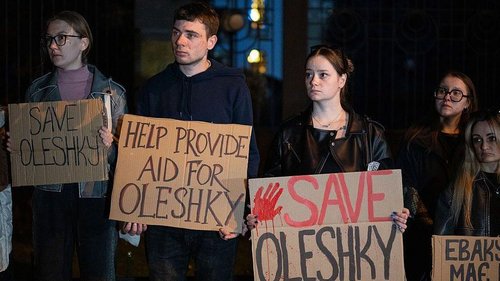
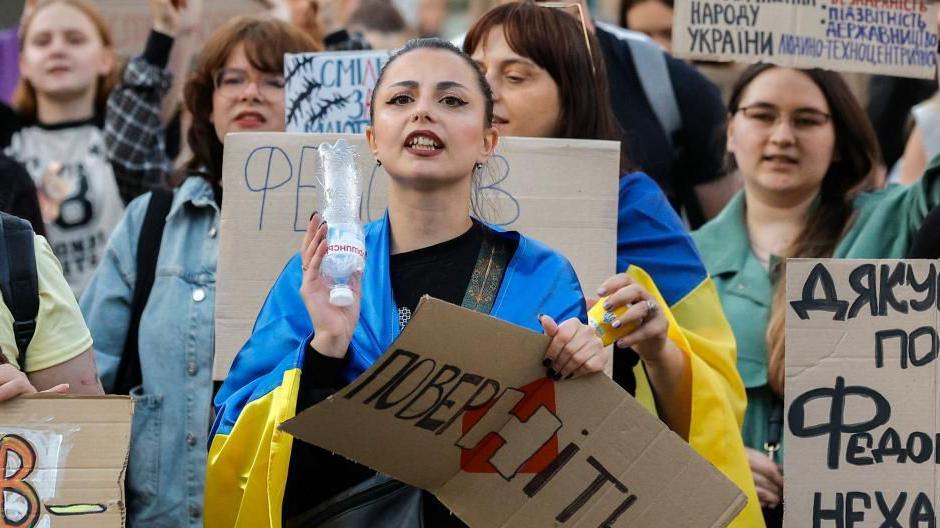
Zelensky’s decision on 15 July to not re‑appoint Mykhailo Fedorov as defence minister was a shock for Kyiv’s young populist supporters, who see the former minister as a technological trail‑blazer. The removal triggered daily street protests, with people holding Ukrainian flags and placards demanding Fedorov’s return.
Fedorov told media he would not accept any alternative government posts, insisting that only three positions can influence the war: defence minister, commander‑in‑chief or president. Former deputy defence minister Alina Frolova warned that without a ministry there is no budget and no authority.
Against this backdrop, Zelensky appointed Major General Mykhailo Drapatyi as new commander‑in‑chief, a move broadly welcomed by military advisers who praise Drapatyi’s youth and battle record. (He has the backing of most senior officers and is seen as an up‑to‑date moderniser.)
Nevertheless, the change has only partly addressed the problem. The political damage – higher public ratings for Fedorov and increased mistrust of the president – remains to linger. Critics argue that a president still at war can afford little political backlash, but supportive MPs note that Ukraine’s democratic institutions are resilient.
Government analysts predict that despite the political turbulence, the war‑front will stay relatively stable. Ukraine continues to employ a 15‑30‑km “kill zone” defended by drones and robots, a strategy credited to Fedorov. While the long‑range sanctions campaign against Russia persists, the “anti‑war” narrative still fuels the winding toolbox of Ukrainian resistance.
In the weeks ahead, Zelensky faces a dilemma: restore trust by reconciling with youthful factions or press on with his current military appointments while watching opposition voices grow louder.
In short, the dismissal of Fedorov may have backfired politically, but Ukraine’s people still press for new defence leadership and clearer accountability.
Image caption: Protesters in Kyiv demand the return of defence minister Mykhailo Fedorov.