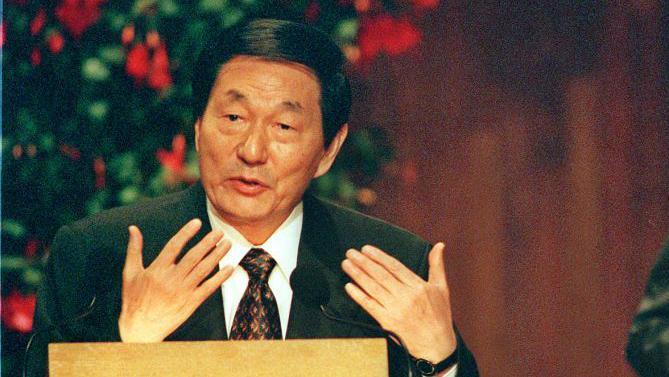
Zhu Rongji, Architect of China’s Trade Revolution, Dies at 97
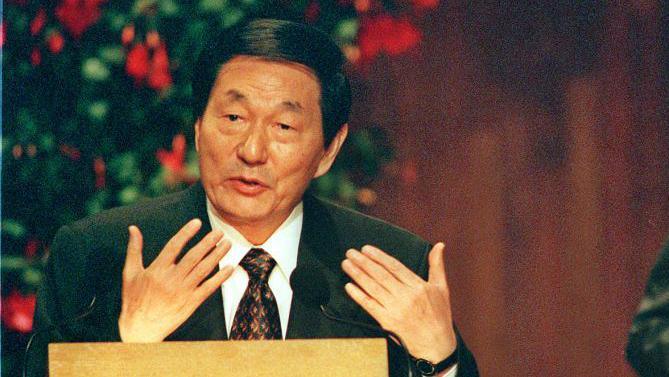
Zhu Rongji, who served as China’s premier from 1998 to 2003, died at the age of 97. His tenure ushered in a new era of economic openness, culminating in China’s accession to the World Trade Organization in 2002 and the opening of domestic factories to global markets.
An electrical engineer by training, Zhu rose through the party ranks after a brief purge, becoming vice‑premier in 1991 and premier in 1998. He moved provincial taxation powers to the central government, privatized state enterprises that failed, and promoted widespread home‑ownership, laying a foundation for the country’s explosive growth.
Known for his blunt rhetoric, Zhu was unafraid to criticize corruption, labeling rogue bankers as “half‑wits” and describing river flood defenses as “flimsy.” His policies, praised for delivering double‑digit growth, were also criticized for causing significant layoffs and widening the gap between rich and poor.
State media eulogised him as an “outstanding member of the Communist Party” and a “revolutionary, struggle, and brilliance” leader. His death marks the end of an era for a nation that has become a global trading powerhouse.