
In brief
With nearly five million children affected by the humanitarian crisis in Sudan, aid workers and local leaders emphasize the importance of addressing the invisible suffering and immediate needs of these vulnerable populations.
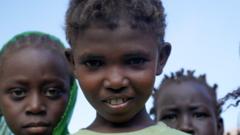
In the heart of Sudan, where war and famine have become a relentless reality, the stories of displaced children are a stark reminder of a deepening humanitarian crisis. Mahmoud, a spirited 13-year-old orphan, represents nearly five million children who have been uprooted due to the ongoing conflict. He is one of many who have experienced displacement not just once, but twice, as the violence escalated in Sudan, now considered one of the worst humanitarian crises in the world.“Famine has already been declared in parts of Sudan,” notes UN’s new humanitarian chief, Tom Fletcher, emphasizing the scale of the need. Over 25 million Sudanese, more than half the country's population, require immediate assistance to survive. “It’s an invisible crisis,” he added, making Sudan his first field mission to draw attention to the urgent plight of its people amidst overshadowing global crises.Fletcher's visit took him to a makeshift orphanage in Kassala, housing nearly 100 children forced together by the ravages of the conflict, which arose from a power struggle between the Sudanese army and the paramilitary Rapid Support Forces. These children long for normalcy amidst a brutal reality, as evidenced by Mahmoud's dream of becoming a state governor to help rebuild his shattered homeland.With countless others trapped in areas starved of resources, aid agencies are facing immense challenges in delivering much-needed food and supplies. The newly announced permissions from army chief Gen Abdel Fattah al-Burhan to establish more supply routes, however, are seen as a potential step forward for humanitarian efforts.Amid the struggles of aid work, some criticize the UN’s reliance on military authorities for access, but Fletcher insists that collaboration is critical to save lives. In a landscape rife with violence and accusations of starvation as a weapon, the challenges for humanitarian work are exacerbated by the prevalence of gender-based violence, underscoring the need for collective action and attention, especially during global campaigns against such atrocities.On the front lines of poverty and abuse, local leaders like Mama Nour run shelters for those affected and urge the Sudanese community to unite in resilience and action. The stories unfold a tale of survival against overwhelming odds, with voices rising in a shared demand for international support and acknowledgment of the struggles faced by the Sudanese people in their quest for hope and recovery.

