
In brief
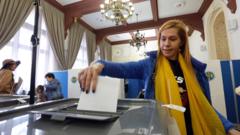
Voter turnout exceeded 51% in Moldova, marking a historic election where citizens not only voted for their next leader but also for the country’s EU aspirations. Incumbent President Maia Sandu aims for a second term amidst competition from ten candidates, including those advocating closer ties with Russia. Allegations of vote-buying involving Russian influence have surfaced as citizens prioritize a European future for stability and opportunity.
In Chisinau, polls closed with a robust turnout of 51%, validating the referendum on incorporating EU membership aspirations into the constitution. Incumbent President Maia Sandu, a pro-European advocate, nudged voters to consider the long-term implications of their choices while voicing concerns over alleged external interference in the election, particularly from Russia. Despite facing opposition from figures like Aleksandr Stoianoglo who align with pro-Russian sentiments, many Moldovans, particularly younger voters, expressed a strong desire for a European trajectory to cultivate social and economic growth. Voters unanimously echoed the need for a definitive stance against Russian influence, choosing instead a path of integration with Europe.If no candidate secures an outright majority, the election will proceed to a run-off to determine Moldova’s leadership, while citizens remain focused on solidifying their dual aspirations for stability and European integration.



