"Human" Safari: Russian Drones Target Ukrainian Medical Workers
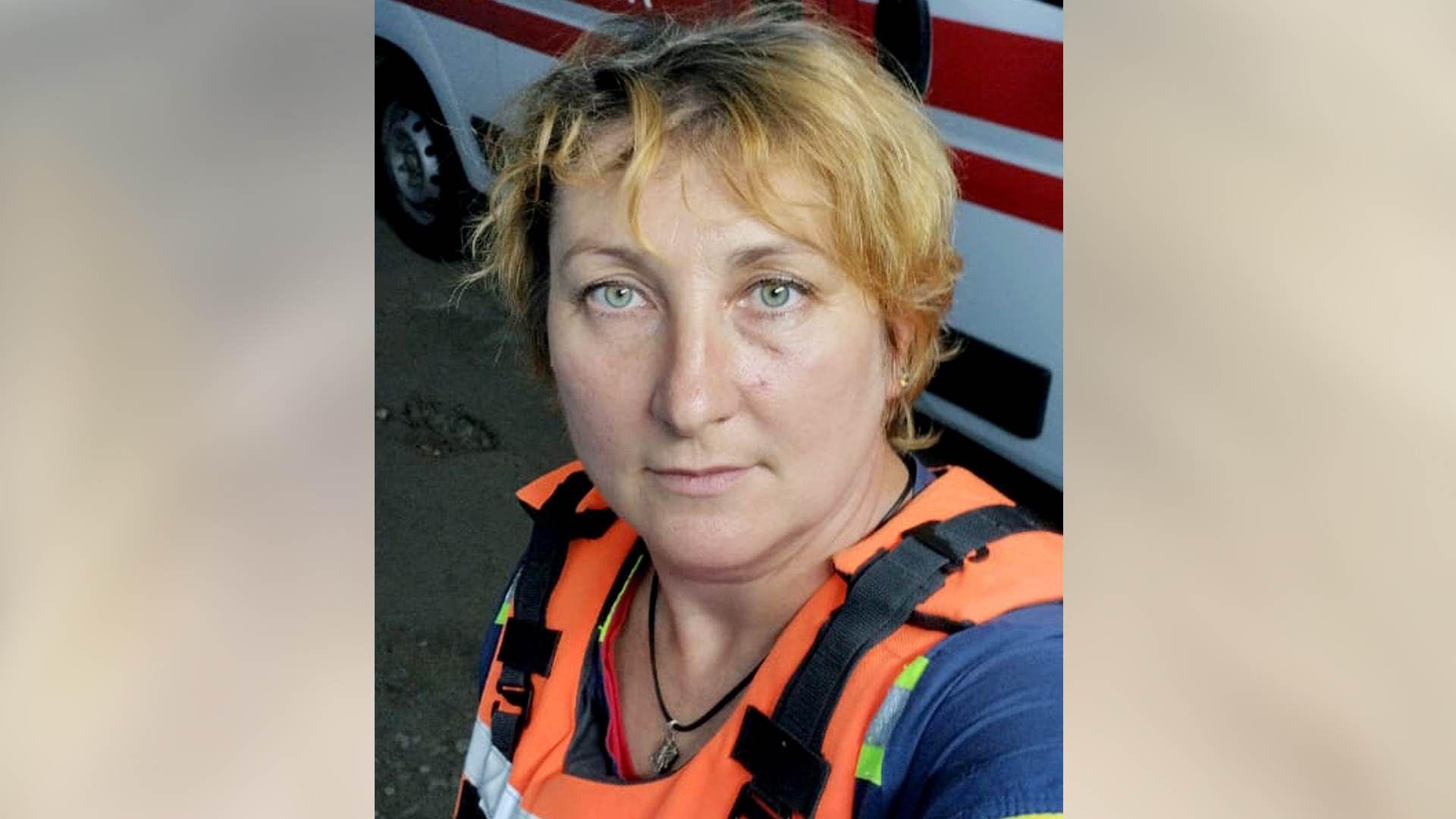
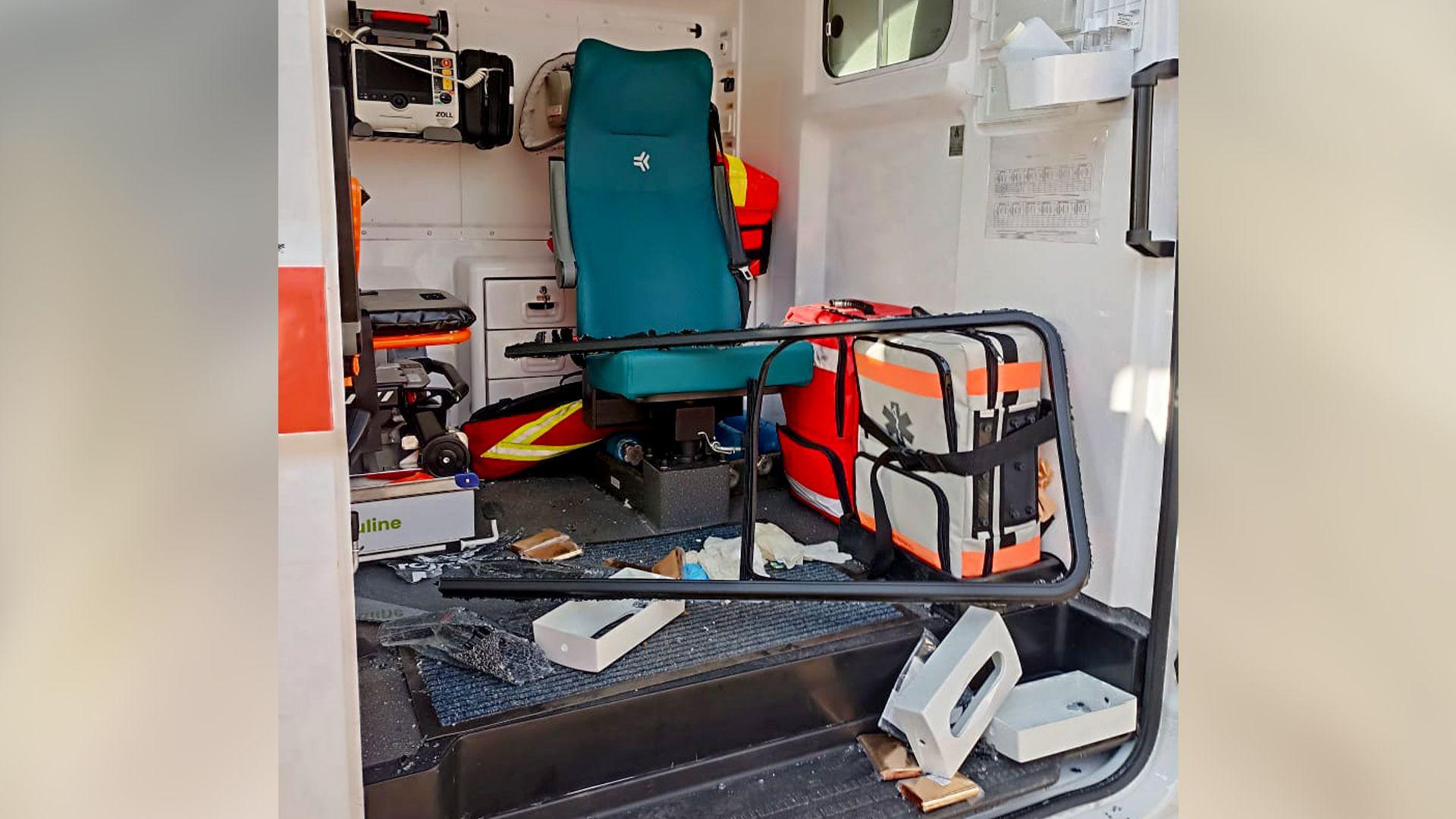
In mid‑July, Inna Lytvynenko— a paramedic in Ukraine’s frontline region of Kherson—ran to treat a woman wounded by a Russian drone. The ambulance she rode in was smashed by a flying‑eye (FPV) drone, and an hour later a second drone chased her into the streets. "If I stopped I would die," Lytvynenko says, describing her sprint toward police shelters as she tried to survive.
Lytvynenko’s experience is not isolated. According to the World Health Organization, 3,118 attacks on health facilities and vehicles have been recorded since Russia’s February 2022 invasion; a WHO specialist notes that this equates to roughly two strikes per day. Each month the number of attacks rises— 20 % in 2024 and 30 % in 2025, with a sharp uptick last year— underscoring a pattern that moves beyond single‑time offensives.
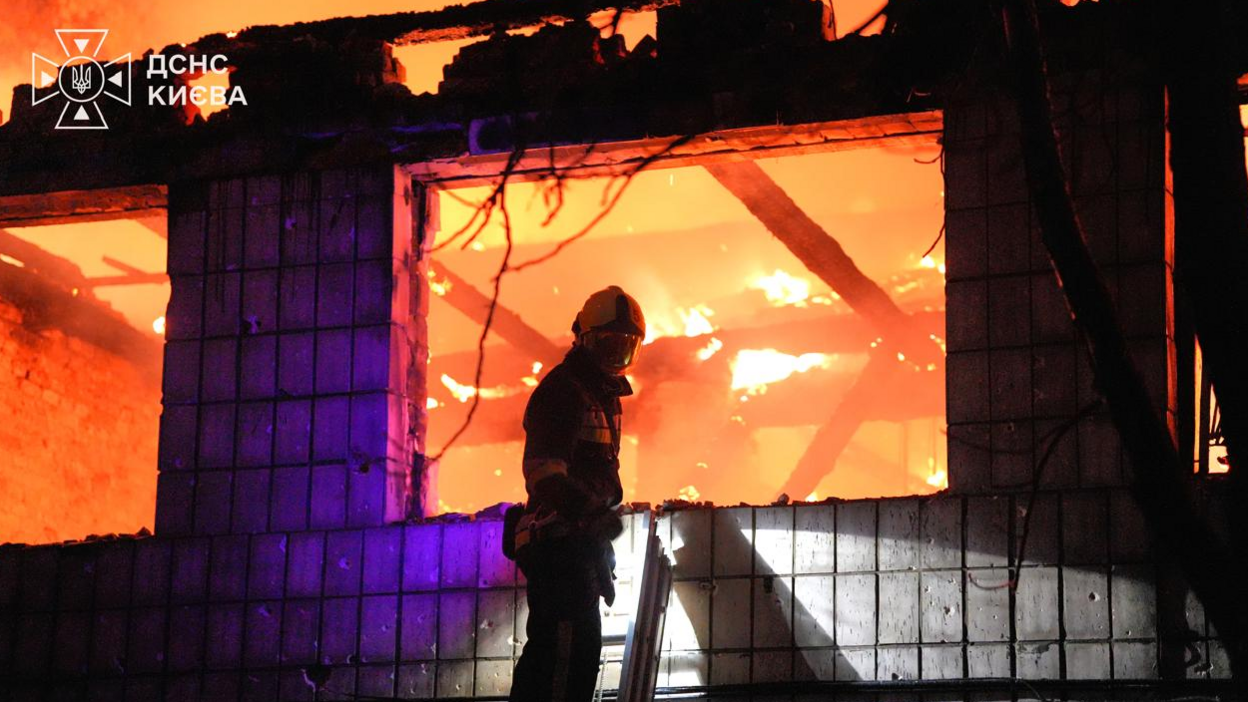
The attacks are increasingly systematic. Dubiously labeled a "double‑tap," Russia has targeted the same site twice within a short span to strike first responders arriving after an initial strike. While missiles and drones can be indiscriminate, FPV drones are equipped with live‑feed cameras that allow operators to aim deliberately. MSF’s Ukrainian coordinator, Robin Meldrum, argues that when an ambulance is first visibly marked as medical, pilots will choose to attack it on purpose.
The consequences are dire. Ukraine’s health services have been forced to withdraw from 80 villages near the frontline and are now avoiding operating within 30 km of the front line. As ambulances vanish from the roads, elderly patients in rural areas lose access to life‑saving medication and routine check‑ups, creating a slow death in the shadow of conflict.
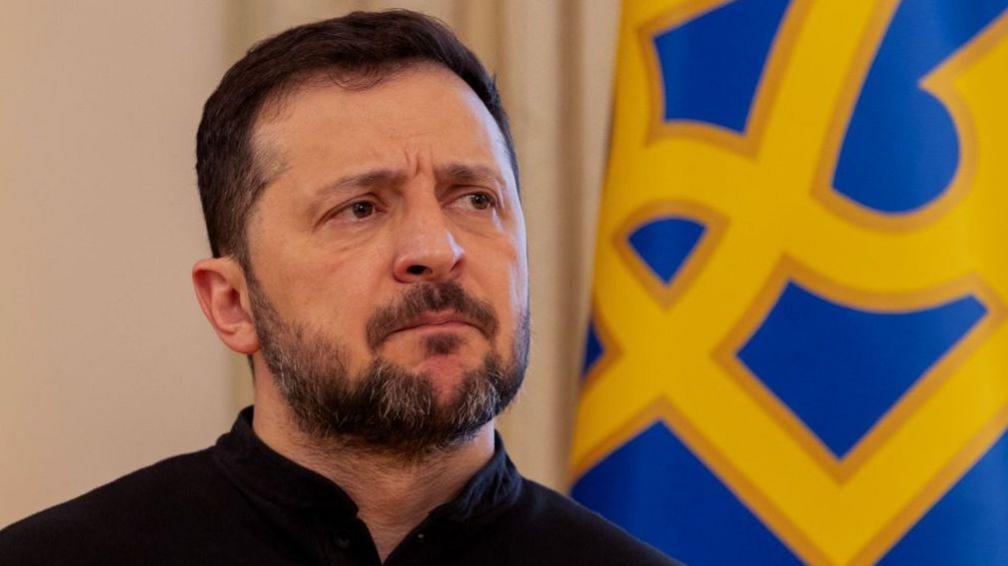
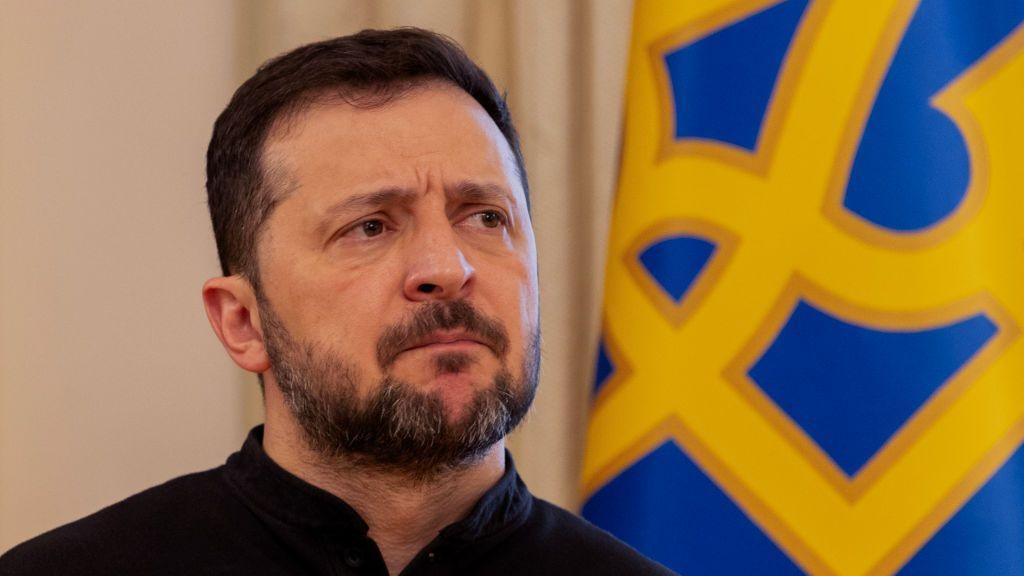
President Volodymyr Zelensky has called on the international community to pressure Russia to halt the deliberate hunting of civilians. Yet the Geneva Conventions that forbid attacks on medical objects remain unheeded. Against this backdrop, emergency workers like Lytvynenko run not just for patients, but for their own survival.