
In brief
Julio Torres, a U.S. Marine Corps veteran who served in Iraq, expresses his distress over recent U.S. immigration policies that put veterans like him at risk of deportation. Despite holding a green card and serving his country, Torres was detained last year and fears deeper involvement in immigration enforcement under the current administration. Recent statistics reveal over 100,000 veterans lack citizenship, sparking a bipartisan bill aimed at better accommodating military veterans in immigration processes.
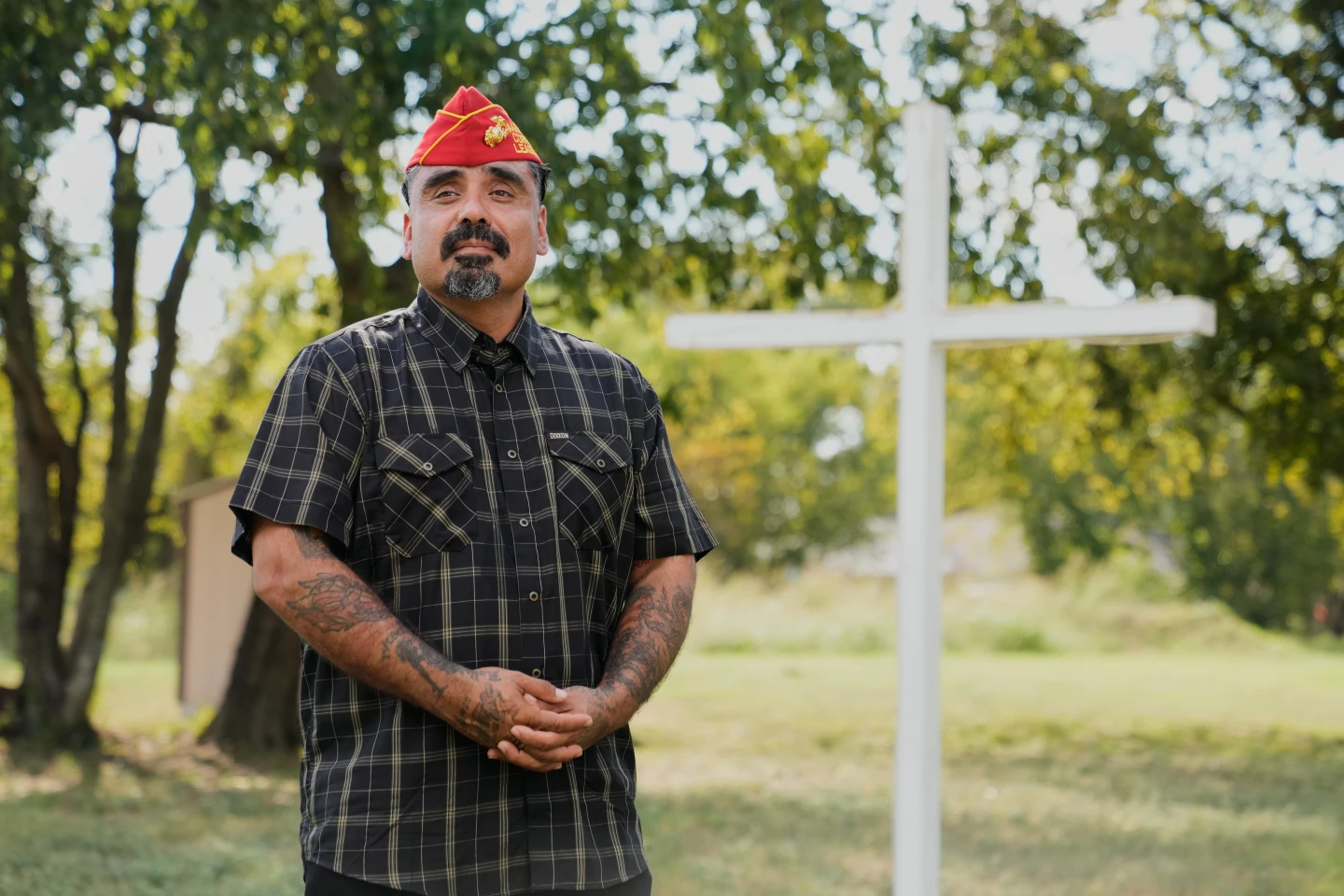
WASHINGTON (AP) — After bravely serving with the U.S. Marine Corps in Iraq, Julio Torres displays his pride through Marine Corps insignia tattoos on his arms. Yet, following struggles with post-traumatic stress and drug addiction, the 44-year-old has turned his life around to become a pastor, helping others facing similar challenges.
However, Torres finds himself living in fear, as the aggressive immigration policies under the current administration have created a sense of entrapment in his East Texas community. Born in Mexico and legally migrating to the U.S. as a child, he fears deportation despite being a lawful green card holder and having served in the military.
“Do I want to leave this nation? No. I want to serve it. I want to continue to serve my community,” he told The Associated Press. His commitment to his country feels thwarted by the possibility of being uprooted from the life he built.
Torres is not alone; recent estimates indicate over 100,000 military veterans in the U.S. lack citizenship. The situation has worsened under the current immigration agenda, putting them at increased risk of deportation.
Congress has begun to react, introducing a bipartisan bill aimed at ensuring that military veterans are recognized during immigration proceedings and given a pathway to lawful status. This legislation aims to clarify policies that previously eased the naturalization process for those who served.
Torres recalls his anger when he was detained last year during an attempt to reenter the U.S. after visiting relatives in Mexico. Although he was released after a few days, the incident has left a lasting impact, as fear looms over his daily life, exacerbating his PTSD symptoms.
“I’m still angry that I don’t have the liberty to go to the store with my kids because I’m afraid of ICE stopping me and arresting me,” he said, reflecting the challenges faced by veterans who feel betrayed by a system that they fought to protect.
The narrative surrounds how veterans, often seen as contributors to national security, are at significant risk of deportation due to enforcement policies that overlook their service and sacrifices.
As other veterans share similar experiences, a larger dialogue unfolds about the treatment of noncitizen military members and the essential roles they play within the armed forces. Advocates assert that understanding the contributions of these veterans is crucial to reforming current immigration policies.


