In brief
Germany's political landscape is shrouded in uncertainty following Chancellor Olaf Scholz's dismissal of Finance Minister Christian Lindner, igniting a crisis within the ruling coalition. With a vote of confidence in the government scheduled for January 15, the coalition's future hangs in the balance, raising the possibility of early elections.
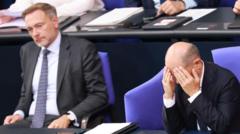
The friction between Scholz and Lindner, leader of the Free Democratic Party (FDP), has escalated after Scholz publicly accused Lindner of undermining his authority and prioritizing party interests over national needs. This leadership shake-up has left the coalition, dubbed the “traffic light” coalition due to its members' party colors—Scholz's Social Democrats (SPD), the FDP, and the Greens—without a parliamentary majority.In remarks that underscored the increasing tensions, Scholz stated that he could no longer place his trust in Lindner, describing his actions as a betrayal. This internal strife has emerged at a critical time, as Germany grapples with economic challenges and the implications of global political shifts, particularly after Donald Trump's return to power in the U.S. While Lindner has championed cuts to taxes and a reduction in climate regulations, his proposals have faced pushback from coalition partners, particularly from Green Economy Minister Robert Habeck, who reaffirmed his party's commitment to the coalition. With the CDU currently leading in opinion polls, if the confidence vote fails, this could lead to early elections, potentially reshaping Germany's political order sooner than expected. The dynamics within the coalition point to a period of instability that could significantly impact the governance of Europe’s largest economy.