
In brief
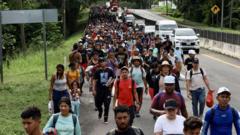
Mexican President Claudia Sheinbaum has publicly countered claims by President-elect Donald Trump regarding an agreement to curb migration. Following a phone conversation, Trump claimed Sheinbaum had consented to halt migration flows from Mexico to the United States. However, Sheinbaum quickly clarified on social media that Mexico's stance remains against closing borders and focuses on addressing migration in a humane manner.
On the heels of Trump's alarming tariff proposals aimed at Mexico and Canada, Sheinbaum promised a reciprocal response if trade tensions escalate. Speaking at a press conference, she stated, "If there are US tariffs, Mexico would also raise tariffs," highlighting the potential strain on international trade. This followed shared sentiments from Mexico's Economy Minister, Marcelo Ebrard, regarding the detrimental effects of Trump's proposed tariffs on the USMCA trade agreement.Despite initial positive remarks about their conversation, Sheinbaum reiterated her government's comprehensive approach towards migration, focused on collaboration rather than isolation. In contrast, Trump's social media posts interpreted the dialogue as a commitment to immediate action against migrants. Meanwhile, Canadian Prime Minister Justin Trudeau convened a meeting with provincial leaders to strategize on the tariff threat, expressing unity but also facing doubts within his ranks regarding the best approach in negotiations with Trump.With illegal immigration set to be a fundamental challenge for Trump as he steps into office and a significant factor in the recent election, he will inherit a landscape marked by Mexico's intensified efforts to manage migration, which includes internal deportation strategies impacting thousands. As the political climate on both sides of the border evolves, the ramifications of this debate on international relations remain to be seen.


