
In brief
Researchers have uncovered the alarming origins of sticky black blobs that led to the temporary closure of eight Sydney beaches.
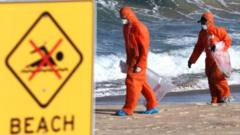
Australian researchers have solved the enigma that befuddled Sydney's shoreline last month when several beaches, including iconic Bondi, were shut down due to unexpected black blobs appearing on the sands. First observed by lifeguards at Coogee Beach on October 16, these sticky dark objects were initially thought to be tar balls. However, subsequent investigations revealed them to be a repulsive combination of human waste, cooking oil, industrial chemicals, and even illegal drugs.The troubling discovery prompted a widespread cleanup effort, as authorities closed eight beaches over concerns about public health. Testing conducted by chemists confirmed that the blobs were most likely the byproducts of a sewage spill, though the precise source of the contamination remains a mystery. Initially, officials in New South Wales speculated they resulted from a mix of fuel oil, fatty acids, and chemicals typically found in cleaning and cosmetic items.Further analyses indicated that the grayish masses could not be exclusively traced back to maritime accidents or oil spills. Each blob exhibited unique characteristics, possessing a hard outer layer formed by the accumulation of sand and minerals such as calcium, while the interior was a soft, foul-smelling mixture.According to Associate Professor Jon Beves from the University of NSW, descriptors like “absolutely disgusting” were used to capture the nature of these blobs, which contained an array of substances including cooking oils, residues from soap, personal medications, and even traces of illicit drugs like methamphetamine. Professor William Alexander Donald noted that the formations resembled fatbergs—solidified masses of fat and grease that plague sewer systems—suggesting influences from both urban sewage and other effluent sources.Despite receiving unconfirmed reports of similar smaller blobs washing ashore in the past two years, Sydney Water has reported no known issues with the city's wastewater systems. The research team continues to investigate the underlying factors contributing to this unsettling phenomenon.
