
In brief
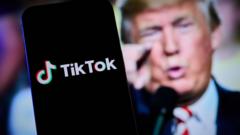
Following a national security law enactment, TikTok ceased operations in the US for several hours, but with Trump's promise of an executive order, normal service was quickly restored. The app's popularity surged despite legal uncertainties surrounding its Chinese ownership, highlighting a growing divide in US politics over the platform's future.
On Saturday evening, TikTok temporarily suspended service for its 170 million American users after a national security law prohibiting the app became effective. This law mandated the removal of TikTok from app stores unless its Chinese parent company, ByteDance, divested its US operations. However, after President-elect Donald Trump indicated he would issue an executive order to delay the law's implementation, TikTok promptly resumed its services.As soon as the platform became accessible again, a message expressing gratitude towards Trump for his intervention appeared for users. The company praised the incoming president for providing “necessary clarity” and expressed willingness to collaborate on a long-term solution to keep TikTok operational in the US.On his social media platform, Truth Social, Trump called for companies not to conform to the ban, declaring his intention to extend the timeframe for a deal regarding the app. Previously, Trump’s administration supported a TikTok ban over security concerns, but recent comments suggest a shift toward protecting the app's US operations.Despite these developments, questions surrounding the legal authority of Trump's intervention loom. Speculation exists that the incoming government may opt not to enforce the law, a move anticipated even under President Joe Biden, who had already indicated similar intentions during his final hours in office.TikTok's immediate service restoration drew attention since it has effectively become a tool for political engagement, particularly among younger voters. However, the backdrop of a unanimous Supreme Court ruling backing the prohibition complicates the app's status moving forward. Amid bipartisan concerns over TikTok's links to the Chinese government, prominent figures in the Republican party, including Trump’s pick for Secretary of State Marco Rubio, have voiced their apprehension about the platform's influence. Meanwhile, other Republican leaders have warned that any company aiding TikTok might face severe legal repercussions.The Supreme Court's arguments also highlighted the complexities of reversing such pronounced legal actions. Legal experts underscored that while there is a provision that allows for postponement under specific conditions, the distinction remains ambiguous regarding whether TikTok can prove compliance with national security requirements.Despite the legal hurdles, Trump's commitment to provide immunity to companies helping TikTok stay operational may lead to significant changes in how the platform is treated by app stores and hosting services. Nevertheless, legal scholars express that a comprehensive understanding of the executive order's implications will take time, as uncertainties linger over how the law will be respected or contested.As the scenario continues to evolve, TikTok stands at a critical juncture, representing not only a contentious battleground for US-China relations but also an important platform for American political dialogue.


