
In brief
Cyclone Chido struck Mayotte with unprecedented force, leaving devastation in its wake. Survivors like Zinedine Mohamed and Yasmine Moussa share their traumatic stories as they navigate loss, destruction, and a lack of governmental support in their recovery efforts.
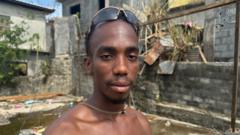
On the night Cyclone Chido ravaged Mayotte, Zinedine Mohamed, a 20-year-old tourism student, was at home with his family when the storm struck. Despite receiving initial warnings, Zinedine underestimated the impending danger, likening it to past cyclone alerts that resulted in little more than heavy rain. Little did he know that this cyclone would unleash winds surpassing 124 mph, marking it the most powerful cyclone to threaten the island in nearly a century, claiming the lives of at least 31 people and leaving many others missing.As the situation grew more dire, an urgent alert prompted Zinedine to insist on relocating to a more secure neighbor’s house. However, when his mother refused to leave, Zinedine felt the weight of responsibility as the eldest male. When the storm began, he and his family sought refuge under a table, but chaos ensued as roofing and debris flew through the air. In a desperate bid, he dashed back to retrieve his mother and younger siblings, stating, "I'd rather die than leave my mum to die." Eventually, he managed to carry her and a baby to safety.Despite their survival, Zinedine's family lost everything, except for a few important documents. Struggling to rebuild, he scavenged for available materials as new supplies remained scarce and expensive. Many in his community echoed his sentiments, working tirelessly to rebuild their homes, ringing hammers late into the night, despite grappling with frustration over government neglect.The response from officials has been woefully inadequate, as revealed by the public's outcry during French President Emmanuel Macron’s visit. Amidst cries for assistance, many residents were yet to receive any aid from the state days post-cyclone, relying solely on donations of food, clothing, and water from volunteers. Among those affected is 18-year-old mother Yasmine Moussa, who sought shelter in a local secondary school with her three young boys. The conditions there are precarious, as worry looms over safety and security for her children. Yasmine's home was devastated, and she struggles to cope with the loss and the trauma endured during the storm. With the local community demanding urgent action, the Red Cross reported that around 100,000 people found themselves in institutional shelters. Although President Macron pledged support to those uninsured, which constitutes most residents, the lack of specific details regarding compensation left many feeling abandoned. Faced with enormous rebuilding needs, political tensions rise as some in France argue about the potential consequences of generous financial aid on migration patterns.Regardless of differing opinions, Zinedine articulates a shared humanity at the forefront of this disaster recovery, asserting, “We're humans at the end of the day. And we need help.”


