
In brief
President Donald Trump has announced an increase in H-1B visa fees for high-skilled tech workers, raising the cost to $100,000 annually. This decision has drawn criticism and concern from the Indian government, as over 70% of H-1B holders are from India. The new policy, which includes a $1 million 'gold card' for wealthy individuals, could face legal challenges and may lead to fewer visas being granted. The change is seen as a move that could have humanitarian impacts, affecting families and industries reliant on skilled workers.
WASHINGTON (AP) — In a significant twist to immigration policy, President Donald Trump has signed a proclamation to increase the annual fee for H-1B visas—commonly used by tech companies to attract skilled workers from countries like India—to a startling $100,000. This has raised serious concerns within the Indian government, with officials stating that the repercussions of such a move could have humanitarian consequences, particularly disrupting families.
The new fee structure, which rises from the previous $215, is a part of a broader immigration strategy that the administration claims is aimed at protecting American jobs. Critics have voiced that this hike is likely to deter many applicants, resulting in a substantial decrease in the available H-1B visas which are capped at 85,000 annually.
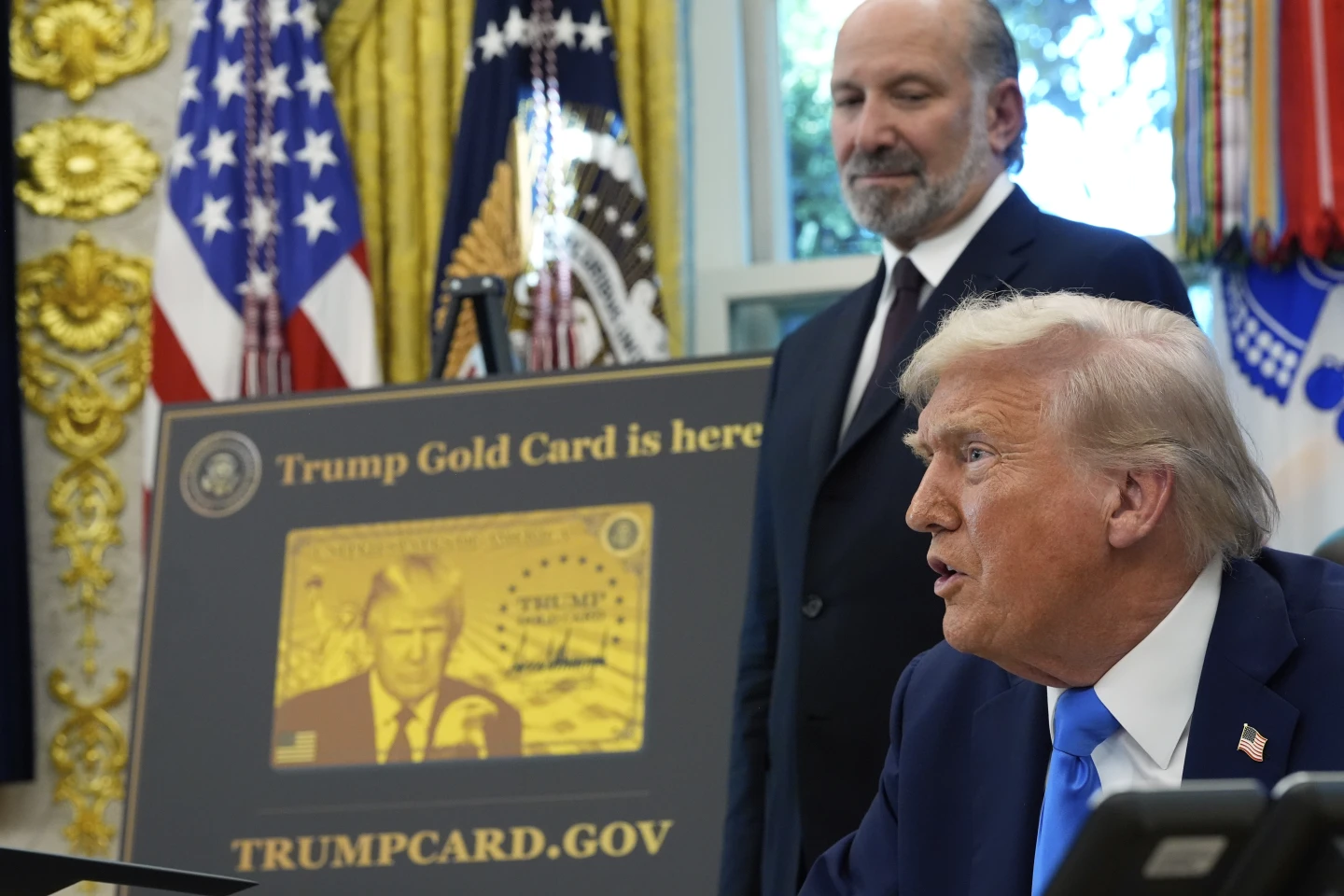
Trump's policy includes introducing a $1 million 'gold card' visa for wealthy individuals seeking U.S. residency, and a controversial 'platinum card' priced at $5 million which provides tax benefits for foreign nationals spending significant time in the U.S. Supporters of this approach, particularly advocates for U.S. tech workers, argue that it addresses issues of wage undercutting faced by American employees.
Commerce Secretary Howard Lutnick indicated that the new fees would lead to fewer tech professionals entering the country under the H-1B category, stating, 'It’s just not economic anymore.' However, many tech companies, including giants like Amazon and Google, have remained silent amidst the turbulence.
The potential consequences for families reliant on these visas cannot be overstated, and Indian officials are actively examining the implications of Trump’s decision, highlighting the possibility of significant disruptions for workers and their kin.
Amidst this chaos, legal experts are predicting formidable challenges to the changes in court, questioning the legality of imposing such high fees without congressional consent. Critics of the president's approach point out that a proper legislative process is necessary for substantial reforms in immigration law.
The future surrounding H-1B visas, once seen as a pathway for skilled labor from abroad, now appears murky, raising urgent questions about the fate of countless workers and the viability of tech-related industries across the U.S.



