In brief
Amid the ongoing civil war in Myanmar, military leader Min Aung Hlaing has made a significant visit to China, signaling Beijing's ongoing diplomatic investment in the country despite the junta's challenges since the 2021 coup.
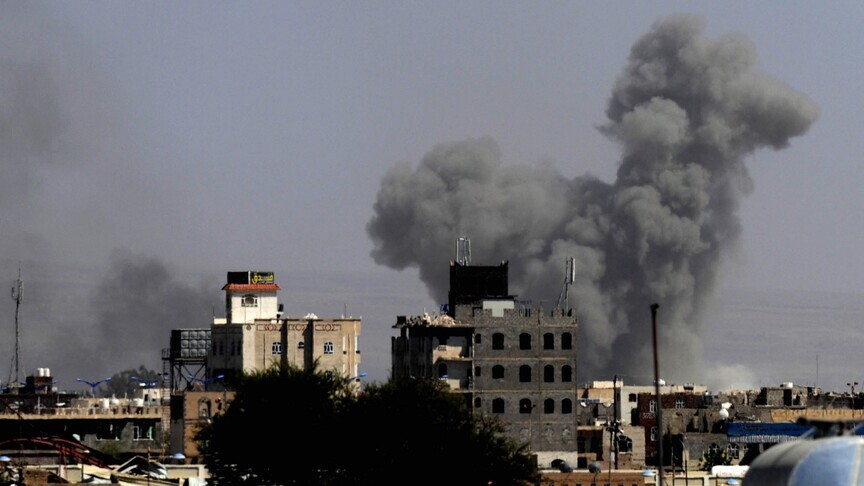
Myanmar's military leader, Min Aung Hlaing, is currently in China for his first visit since he overthrew the elected government led by Aung San Suu Kyi in February 2021. This visit takes place against the backdrop of his regime facing intense pressures due to rising violence from insurgent groups and the resulting civil unrest. Although framed as an invitation rather than an official state visit, this trip to meet an important ally and trading partner underscores China's willingness to engage with Hlaing as a vital player in the region.Arriving in Kunming, the capital of Yunnan province, Min Aung Hlaing is attending a summit of Greater Mekong Sub-region nations, where he is expected to have discussions with Chinese Premier Li Qiang. His presence at the summit, which features other authoritarian leaders from nearby countries, symbolizes a cautious endorsement from Beijing, especially given the turmoil between the military regime and insurgents asserting control along the shared border.China has faced its frustrations with the Myanmar military, especially concerning the civil war that threatens its interests. Undeniably concerned about instability spilling over its borders, Beijing has attempted to accommodate Min Aung Hlaing while simultaneously urging him towards political reform, including the establishment of a timeline for future elections and restoring cross-border trade.Opposition groups, including the National Unity Government (NUG), have vehemently condemned the visit as a tacit acknowledgment of the junta, suggesting that China is ignoring the will of the Myanmar people, who are craving stability. This sentiment is echoed by critics like NUG spokesperson Kyaw Zaw, who argues that the current military regime is hindering the aspirations for peace and economic growth.Despite facing opposition on many fronts, the junta remains in power for now, with China appearing determined to maintain its influence over Myanmar. As Western powers recede and regional organizations like ASEAN struggle to mediate effectively, China's role as a potential peace broker in the ongoing conflict becomes increasingly prominent—and revealing of its commitment to safeguarding its regional interests.