
In brief
Brahmapuri, known for its stunning blue homes, is witnessing a shift away from its distinctive color due to urbanization, climate change, and a loss of traditional practices. Activists are working tirelessly to restore and maintain this unique heritage, urging the community to invest in its cultural identity.
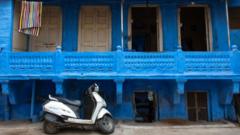
Jodhpur, often referred to as India's 'Blue City', is home to the vibrant cultural neighborhood of Brahmapuri, nestled beneath the ancient Mehrangarh Fort built in 1459 by Rajput king Rao Jodha. The striking blue homes, emblematic of the area, have become synonymous with the city's identity, drawing tourists from across the globe. As Esther Christine Schmidt, an assistant professor at Jindal School of Art and Architecture, notes, the iconic blue color likely emerged in the 17th century, representing the sociocultural piety of upper-caste families in the Hindu caste system.However, this unique color is slowly fading from the landscape. Unlike the steadfast blue homes of Chefchaouen in Morocco, Brahmapuri's azure walls are increasingly being replaced by other shades. This transformation can be attributed to several factors, including rising temperatures and the shift towards modern conveniences like air conditioning, which diminishes the need for the cooling properties of blue paint. According to Udit Bhatia, an assistant professor of civil engineering at the Indian Institute of Technology (IIT) Gandhinagar, Jodhpur’s average temperature has risen from 37.5°C in the 1950s to 38.5°C by 2016, further complicating the innate benefits of blue for cooling homes. He highlights how darker colors exacerbate the heat island effect, intensifying the temperature rise in urban areas.In Brahmapuri, the historical accessibility of indigo once made it a popular choice for painting homes, but declining availability has driven up costs. The price to repaint blue has surged from 5,000 rupees ($60) a decade ago to over 30,000 rupees today. Additionally, increased urbanization has led to unscientific changes in construction methods, compromising the traditional techniques that allowed homes to maintain their color and charm.While approximately half of the 33,000 homes in Brahmapuri retain their blue color, many residents express concern over the loss of their city’s unique identity. Deepak Soni, a local garment seller, emphasizes the embarrassment felt when visitors seek the blue homes that symbolize Jodhpur but find their hue fading away. In response, Soni has spearheaded efforts since 2019 to raise funds for the restoration of blue homes, urging local participation in preserving their cultural heritage.With the determination of residents like Soni, who have convinced nearly 3,000 homeowners to revert to blue, Brahmapuri is poised to reclaim some of its lost charm. Furthermore, ongoing discussions with local authorities aim to reintroduce lime plaster techniques that better accommodate the iconic blue pigment. The rich cultural history that defines Brahmapuri warrants preservation, as Soni notes, “Why will people from outside Jodhpur care about our city if we don’t care about its heritage?” The future of Jodhpur's blue homes rests not just on paint, but on the community's commitment to uphold its vibrant identity amid the challenges of modernity.


