In brief
As Elon Musk takes steps to dismantle U.S.A.I.D., leaders from Russia, Hungary, and El Salvador express their support, marking a controversial wave of approval from often authoritarian governments.
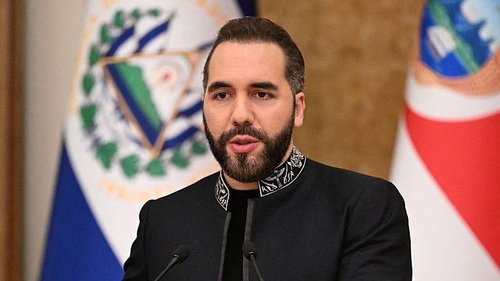
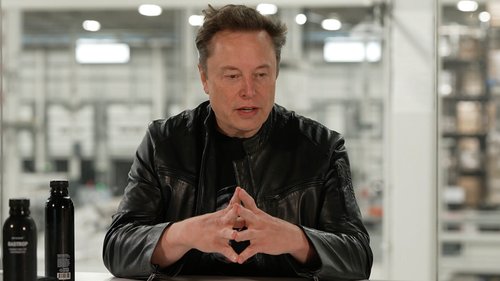
Elon Musk's recent decision to dismantle the U.S. Agency for International Development (U.S.A.I.D.) has garnered unexpected applause from several foreign leaders, particularly those with a history of authoritarian rule. His remarks about "feeding U.S.A.I.D. into the wood chipper" have resonated not just with supporters of former President Trump’s "America First" agenda, but also with those in power across the globe who view the agency as a significant threat to their governance.Dmitri Medvedev, current deputy chairman of Russia's security council and a former president, expressed his satisfaction, considering U.S.A.I.D.’s influence long detrimental to Russia's standing. Similarly, Hungary's Prime Minister Viktor Orban, an ally of President Vladimir Putin, took to social media to celebrate the perceived end of funding for "globalist" organizations, demonstrating his approval of a diminishing foreign aid framework.Joining in this chorus of support is El Salvador's President Nayib Bukele, who has been fortifying his grip on power while citing U.S.A.I.D. funds as problematic. He accused the agency of steering financial resources toward opposition groups and NGOs with political motives that can destabilize governance. While protests in Washington rally support for U.S.A.I.D., authoritarian leaders optimistically react to the prospect of a disrupted aid agency they have long viewed with skepticism. The dismantlement of such a prominent institution shines a light on the changing dynamics of international aid and the growing fractures between democratic ideals and authoritarian governance.