
In brief
The rebuilding effort in Gaza, significantly impacted by conflict, demands considerable time and resources, according to a UN spokesperson. Although recent aid deliveries have surged following a ceasefire agreement, comprehensive rehabilitation of affected communities and infrastructure is essential.
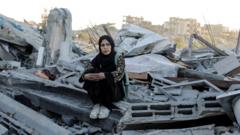
The rebuilding effort in the beleaguered Gaza Strip is expected to be a long and arduous process, given the extensive damage inflicted during ongoing conflicts, warns a United Nations official. Sam Rose, acting director of the UN agency for Palestinian refugees (UNRWA) in Gaza, emphasized that the rehabilitation stage encompasses not just material aid but also psychological recovery for individuals and communities.In the wake of a ceasefire and a hostage release deal between Israel and Hamas, humanitarian efforts have seen a substantial increase, with at least 1,545 aid lorries crossing into Gaza. These deliveries include crucial supplies such as food, clothing, blankets, and shelter during winter, which had previously been held back due to the ongoing fighting. The agreement mandates daily deliveries of around 600 aid lorries over the upcoming weeks, coinciding with the gradual release of hostages by Hamas.Mr. Rose expressed optimism over the heightened flow of assistance. He noted that the end of active hostilities simplifies logistics, eliminating urgent coordination with Israeli authorities and reducing incidents of looting. However, he stressed that merely increasing the volume of aid is insufficient for addressing the dire situation in Gaza. “Everyone in Gaza has been affected,” he said, outlining how many have lost their homes and livelihoods.Plans to restore Gaza's healthcare system are also underway, with the World Health Organization devising a 60-day strategy to address the urgent needs of the population. Critical repairs to hospitals—many of which are inoperative—along with setting up temporary clinics in heavily damaged areas to tackle malnutrition and disease outbreaks are top priorities.UN humanitarian chief Tom Fletcher highlighted the overwhelming humanitarian needs facing the Palestinian population, citing a staggering level of demand for assistance. While Israel permits aid delivery, it maintains there are no restrictions, placing responsibility for shortfalls on UN agencies and accusing Hamas of misappropriating aid.The recent military campaign launched by Israel aims to dismantle Hamas following a series of deadly attacks in early October. Official estimates suggest a catastrophic toll on Gaza’s civilian population, with over 47,000 killed and many more injured or displaced. Despite the resumption of aid flow, significant challenges remain ahead. One displaced resident from northern Gaza, who recently returned to her destroyed home, expressed devastation at the destruction laid bare before her and vowed to create a shelter despite the situation. UNRWA's ongoing operations may face hurdles due to new Israeli laws restricting its work in Gaza, which might impede its ability to provide necessary support to the population.As communities begin the painstaking journey of rebuilding, the UN stresses that international support and understanding of the complexities involved are paramount to facilitating true recovery in this war-torn region.



