
In brief
South Sudan faces a dire water crisis exacerbated by climate-driven floods that mix toxic oil byproducts into the available drinking water. Residents, including herders and families from Unity State, highlight the severe health risks they face daily, compounded by the government's neglect of environmental standards. As the community grapples with pollution and the aftermath of climate change, calls for accountability and action grow louder.
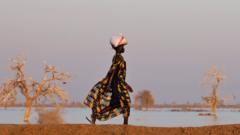
In the grasslands of South Sudan, herders draw murky water from ponds, fully aware of the dangers it poses. "The water is dirty because this place has oil - it has chemicals in it," states Chilhok Puot, the chief of the community. Nyatabah, an area cattle raiser, echoes concerns: "If you drink it, it makes you pant and cough. We know it's bad water, but we don't have anywhere else; we're dying of thirst."David Bojo Leju, a former oil engineer, warns about the impacts of flooding that wash pollutants into water sources. Extreme climate events have submerged large parts of Unity State for years, potentially worsening the contamination problem. "The floods are a disaster," Bojo Leju comments, illustrating how mismanaged oil facilities are covertly devastating the local population. Unity State, rich in oil yet plagued by seasonal flooding challenges, has recently succumbed to extreme weather patterns linked to climate change. In 2022, it was estimated that two-thirds of the region was inundated; even now, 40% remains underwater.Bojo Leju recalls his time at the Greater Pioneer Operating Company (GPOC), where he witnessed recurring oil spills and the resultant pollution. Lacking adequate response from management, he sought to document the situation but faced resistance. "There was no treatment plan for contaminated soil," he laments. Field reports consistently indicated high levels of oil in produced water, which is recycled back into the environment. "That water flows to the river, to drinking sources, to fish ponds," he reveals. As floods intensified since 2019, containment measures were overwhelmed, allowing oil contaminants to seep into the local groundwater, exacerbating public health crises.Health experts have expressed concerns regarding the impact of tainted water on human health. At a Bentiu hospital, a nurse reveals a newborn with physical deformities, likely a result of contaminated drinking sources. "They just drink from the river where water and oil are mixed. That might be the problem," warns Dr. Samuel Puot, who notes a troubling frequency of birth defects in the area.Evidently, the oil industry poses broader environmental risks to families living near these facilities. In 2014 and 2017, studies conducted by non-profits indicated the presence of pollutants near oil wells, underlining a grave health crisis linked to oil extraction.Despite having commissioned audits to examine the environmental impact of the oil sector, the results remain shrouded in secrecy. Politicians such as Mary Ayen Majok, who have been raising alarms for over ten years, emphasize the need for accountability in an industry riddled with poor practices since the country’s independence in 2011.With the ghosts of past civil wars and current flooding orphaning many, a labor force emerges by scouring forest areas for charcoal, only to find the water they use for cooking and drinking is also contaminated. Families are trapped in a cycle exacerbated by their reliance on unsafe sources amid the floods.Amidst challenges, communities cling to hopes of returning to traditional agricultural practices that once sustained them. "When the water goes down, I’ll grow grain, even if it’s years," an elder states, representing the resilience of South Sudanese people despite overwhelming adversity.In a grim reality where floods and oil pollution threaten both lives and livelihoods, South Sudan continues to fight not only for clean water but a sustainable future, grappling with the intricate web of climate change and extractive economies.

