
In brief
The Atlantic hurricane season has unfolded unusually, with rapid storm formation and increased intensification partly attributed to climate change.
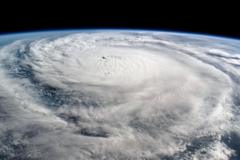
In an unprecedented turn of events, the current Atlantic hurricane season has witnessed a high frequency of hurricanes, underscoring the powerful and rapid intensification of storms. Helene and Milton, two of the most destructive hurricanes, marked a season where five hurricanes formed in two weeks—a rate typically expected over an entire year. The season started ominously with Hurricane Beryl, the earliest category five storm recorded since 1920. While the ocean temperatures have remained exceptionally warm, fueling storm growth, only modest hurricane activity was observed in early September, defying expectations. This period of lull was attributed to unfavorable atmospheric conditions, including the West African monsoon and Saharan dust, hindering storm development. However, as conditions become favorable, storms intensified swiftly, with Helene and Milton both demonstrating rapid intensification—highlighting a trend believed to be exacerbated by human-induced climate change. Forecasters continue to monitor the potential for further storm activities, particularly given the high sea surface temperatures. This season serves as a clear illustration of how climate change is increasing the potency of the strongest hurricanes, raising awareness about the urgency of addressing climate impacts on natural disasters.

