
In brief
India's recent reduction of import tariffs aims to strengthen its trade relationship with the US and mitigate a possible trade backlash from the newly reinstated Trump administration.
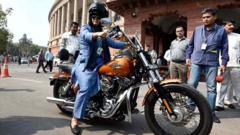
India is poised on a diplomatic tightrope as the US President Donald Trump makes headlines with aggressive trade strategies against nations, including ally Canada and competitor China. Reacting to Trump's trade rhetoric, the Indian government last week announced significant cuts in import duties on motorcycles to smooth the entry of American brands, especially Harley Davidson, into the Indian market. The tariffs on heavyweight motorcycles with engines exceeding 1,600cc have been slashed from 50% to 30%, while smaller bike tariffs decreased from 50% to 40%. This strategic move comes after US motorcycle exports to India were recorded at just $3 million last year. India's decision to lower tariffs appears to be a preemptive measure aimed at forestalling potential retaliatory actions from Trump, who has been vocal about India's former high tariffs. Trump previously criticized India's trade policies, calling it a "tariff king" due to its steep import taxes. With the US being India's largest trading partner, their current trade surplus and successful exports could be jeopardized if tensions escalate. During a recent conversation with Indian Prime Minister Narendra Modi, Trump urged India to enhance its purchase of US arms, reflecting his push for a more favorable trade balance. With bilateral trade surpassing $190 billion in 2023, the increasing pressure on India signals an urgent need to navigate these waters carefully. Ajay Srivastava from the Global Trade Research Institute states that despite prior criticisms, India’s latest tariff reductions could pave the way for increased US exports, benefiting multiple sectors including technology and automobiles.India's trade relationship extends beyond motorcycles. Recent tariff eliminations include satellite ground installations, synthetic flavoring essences, and waste materials, cumulatively valued at billions in US exports. This shift comes in stark contrast to India's past as one of the world's most protectionist economies, which spurred a gradual decline in its share of global trade from 2.42% in 1948 to merely 0.51% by the early 1990s. Since liberalizing its economy in the 1990s, India has progressively reduced average tariffs. However, under Modi’s “Make in India” initiative aimed at bolstering domestic manufacturing, duties rose again to about 18%, surpassing those imposed by several Asian countries. In light of Trump's "America First" strategy, which seeks reciprocity in trading relationships, India may find itself under increased scrutiny. Agricultural access presents a significant hurdle, as the US continues to demand reductions in tariffs on key commodities. Despite India’s recent moves to eliminate retaliatory tariffs on American almonds, apples, and chickpeas, experts suggest Trump may insist on further concessions. Nonetheless, India’s responses may be tempered due to domestic political ramifications surrounding agriculture. Strategic ties between India and the US, particularly within the Quad framework as countermeasures against China, may buffer some trade tensions. Analysts speculate that Modi’s warm rapport with Trump also serves as a potential diplomatic asset. The upcoming visit of the Indian Prime Minister to Washington could be pivotal as countries continue to navigate the complexities of their trade relationship.
