
In brief
As the conflict between Israel and Hezbollah intensifies, reports from the ground detail the destruction caused by relentless air strikes in Lebanon. First responders are overwhelmed with casualties, and amidst the rubble, the tragedy unfolds as civilians, including women and children, bear the brunt of the violence.
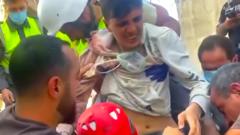
The sirens blare as Samir El Chekieh, a paramedic with the Lebanese Civil Defense Force (CDF), speeds through El Karak in Lebanon’s Bekaa Valley. The air strikes have shattered lives, with each response to destruction yielding scenes of chaos and despair. Sleep-deprived and overwhelmed, Samir and his team brace for what has become a daily mass casualty incident amid the death toll rising due to the violence between Israel and Hezbollah.The situation starkly contrasts with the previous conflict in 2006. Samir reflects on how the intensity of air strikes has escalated, targeting civilian infrastructure and leading to the tragic deaths of innocents. CDF reports indicate an increase in casualties among women and children, underscoring the grim reality that the war is creeping deeper into civilian life.Israeli air strikes have expanded their range beyond the southern frontlines into traditionally Shia areas of Lebanon. Over the past week, more than 160 lives have been lost in the Bekaa Valley alone, as the Lebanese government lumps fighters and civilians alike into its casualty counts. As night falls, the sounds of helicopter rotors echo in the distance, signaling the warning of another bombardment.Describing the aftermath of the strikes, Samir recollects a harrowing scene where he unearths a child's severed body from the rubble. Hours later, he and his team manage to save a young boy, Mohammed, amidst the debris, drawing attention to their humanitarian mission that transcends sectarian divides. "We are humanitarians," Samir stresses, indicating their approach to aiding victims without regard to background. The UN reports that October has witnessed the tragic deaths of many children, further emphasizing the deteriorating humanitarian crisis. Families are displaced, as thousands flee from their homes, leaving behind memories for safety amid the bombings. The psychological toll on CDF workers is palpable, as they witness unfathomable loss while feeling the weight of their responsibilities to save those who remain.In the wake of continued violence, individuals like Hussein Nassereldine remain undeterred. Despite losing his home to an air strike, he vows to stay, representing a steadfast resilience among those affected. Meanwhile, hospitals are overwhelmed with the injured, many of whom are children, sparking expressions of grief and determination from caregivers and families alike.As the conflict drags on, recruitment and response efforts by groups like Hezbollah continue. Each day brings fresh assaults, but communities remain resilient. The plight of families caught in the crossfire serves as a painful reminder of the human cost associated with war, as appeals for peace grow louder amid the desperate cries for justice and security.
