
In brief
China has significantly enhanced its foothold in Latin America by inaugurating the Chancay megaport in Peru, a strategic move expected to reshape trade routes while the US reassesses its influence in the region.
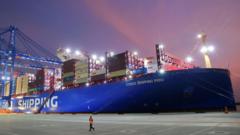
As the geopolitical landscape shifts, the recently opened Chancay port in Peru marks a pivotal moment for China in Latin America. With a price tag of $3.5 billion, the port, constructed by the state-owned Cosco Shipping, is set to transform Peru's economy and facilitate direct trade routes between South America and Asia, bypassing traditional North American shipping paths. Chinese President Xi Jinping attended the port’s inauguration, emphasizing the importance of this development which coincides with the Asia-Pacific Economic Co-operation (Apec) Forum held in Peru.Economic analysts suggest the US is experiencing a decline in influence in Latin America due to years of neglect. Monica de Bolle from the Peterson Institute for International Economics voiced concerns about the growing engagement of Latin America with China as a direct result of American inaction. Chancay aims to serve not just Peru, but also neighboring countries like Chile, Ecuador, and Colombia, with a robust logistical network to enhance their exports to Asian markets, particularly Shanghai.The trade dynamics are not limited to exports; the port is poised to facilitate the influx of Chinese goods into South America, heightening concerns among local industries about competition. In response, countries like Chile and Brazil have amended tax policies to counter the influx of low-cost foreign goods.The US military is wary of the strategic implications of the megaport, with retired General Laura Richardson expressing apprehension over the potential dual-use nature of the facilities, which could serve both commercial and military purposes for China. Such developments come at a time when US leadership under President Joe Biden, depicted as diminished at the Apec summit, is contending with the rising momentum of the Belt and Road Initiative, which extends its influence globally.Despite the hesitations surrounding Chinese investments, Latin American nations are increasingly finding common ground with China in their development goals, often sidelining initial reservations. As the US prepares for a potential change in administration, the region's leaders are acutely aware of their need to maintain balanced relations with both superpowers. The upcoming renegotiation of free trade agreements with the US, especially the USMCA, adds another layer of complexity to future engagements.As discussions continue on how Latin America can navigate its path without being overshadowed by either China or the US, experts emphasize the necessity for a coordinated regional strategy. Eric Farnsworth from the Council of the Americas asserts that while goodwill towards the US persists, the absence of proactive engagement may steer countries towards stronger ties with China.In conclusion, the establishment of the Chancay megaport is more than an infrastructure project; it's a reflection of shifting allegiances and economic priorities that will undoubtedly reshape the future of trade in Latin America, positioning it at the intersection of US and Chinese interests. The region now stands vigilant, assessing the potential repercussions of a renewed US focus or a continued embracing of Chinese investment and partnership.

