
In brief
As Romania and Bulgaria prepare to officially join the Schengen travel area starting January 1, 2025, citizens rejoice over the ease of travel without border checks. Despite this milestone, truck drivers face ongoing bureaucratic challenges, raising concerns about the practical effects of their integration into the border-free zone.
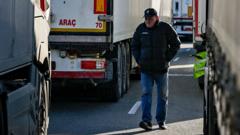
Empty LineThe momentous integration of Romania and Bulgaria into the Schengen Area is celebrated as a significant advancement for these nations, 17 years after their European Union accession. With the green light from existing EU member states, the two countries are set to experience enhanced freedom of movement beginning January 1, 2025, allowing citizens to travel without passports to countries like France, Spain, and Norway. This decision is met with relief by the 25 million residents of both nations, who long sought full recognition as EU members. European Commission President Ursula von der Leyen heralded it as a day of joy for the two nations.While the lifting of air and maritime border checks occurred last March for Romania and Bulgaria, land borders faced a delayed acceptance, notably due to Austria's earlier opposition. However, the path remains complicated for truckers, as substantial paperwork and checks persist. Hungary is expected to maintain rigorous border inspections for truck transport at the primary Romania-Hungary crossing point for at least six months following Schengen admission.Bulgaria has initiated measures such as a new truck park and an electronic barrier, charging €25 per truck, in an attempt to streamline operations. Despite the optimistic outlook on eliminating border checks, temporary controls remain in place across Europe, reflecting heightened concerns about illegal immigration.The Schengen zone, established in 1985, currently consists of most EU countries, alongside some non-EU nations like Norway and Switzerland. Notably, the UK never participated, though UK visitors can travel visa-free within the zone for short durations. Opinions expressed by border officials underscored a mix of optimism and uncertainty regarding the immediate implications of Romania's Schengen membership.Truck drivers, like Ovidiu Dabija, feel that the Schengen accession will greatly reduce the hours spent at borders. Radu Dinescu, head of the Romanian Road-Haulers' Association, emphasized that truckers frequently endure prolonged waits, impacting industry efficiency and economic viability. He cited delays costing the Romanian road transport sector approximately €19 billion from 2012 to 2023.Although road transport remains challenging, the future does appear brighter. Dinescu noted that successful negotiations on border inspections and compliance could alleviate pressure on transportation. The implications of border delays also extend to foreign investments, exemplified by BMW's decision to establish a factory in Hungary rather than Romania due to border inefficiencies.As confidence builds that border controls will eventually lessen, businesses such as Cramele Recas, Romania's leading wine exporter, remain cautiously optimistic about future competitiveness in broader European markets. Ultimately, while the accession to the Schengen Area marks a vibrant chapter for Romania and Bulgaria, the road ahead entails addressing substantial logistical challenges to ensure swift and efficient international trade.


