
In brief
Despite the enthusiasm for full EU membership, the ongoing customs checks at borders, particularly for freight, highlight the need for further reforms.
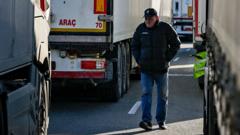
On January 1, 2025, Romania and Bulgaria are set to officially join the Schengen travel zone, allowing their citizens to travel across much of Europe without passport checks — a significant milestone celebrated by leaders and citizens alike. This decision, long awaited, brings a sigh of relief to the nearly 25 million people living in these countries, as they can now experience a feeling of full membership within the European Union. European Commission President Ursula von der Leyen lauded the announcement as a "day of joy" for Romania and Bulgaria.Last March, air and sea travel had already seen the lifting of border checks for both nations, but it wasn’t until recently that Austrian opposition to land border crossings finally shifted. As travelers get excited about the new freedoms this change represents, truck drivers remain cautious about how much will really change for them. Hungary, for instance, is anticipated to continue rigorous inspections of truck documents at its border with Romania for at least another six months.Additionally, Bulgaria has set up a new truck park and electronic access controls at Ruse, charging operators €25 per truck. Border control measures have been implemented across multiple European countries as they grapple with concerns over potential increases in illegal migration. Currently, for truckers at the Nadlac crossing, waits can endure for hours, with some drivers indicating past delays have stretched as long as five days.According to Radu Dinescu, head of the Romanian Road-Haulers' Association, the delays at border crossings have cost the Romanian transport industry around €19 billion between 2012 and 2023, exacerbating the prices paid by consumers. While private car travel will see an immediate benefit from entering the Schengen zone, Dinescu suggests that freight transport may not experience such swift relief due to the remaining series of checks carried out at borders.Dinescu has pointed to a lack of action from past Romanian governments in negotiating better operations with neighboring countries, crucially for easing border pressures. He highlighted a 2008 EU regulation allowing for weight control checks to be performed away from borders, which has not yet been honored by Romania or Hungary. This inefficiency has tangible effects, as seen when BMW opted for Hungary over Romania for a new factory spot due to prolonged border wait times.Optimism remains among some, like Philip Cox from Romania's largest wine exporter, Cramele Recas, who believes the border formalities will gradually ease within six months, eventually bolstering competitiveness for exports. Yet, as Romania and Bulgaria prepare to enjoy the freedoms of Schengen, the road ahead for freight traffic signifies that more work lies ahead for seamless trade and travel throughout Europe.

