
In brief
An unsettling aftermath ensues for the survivors of the Sea Story as they face pressure and lack of transparency in investigation efforts.
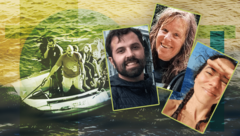
In the wake of a harrowing dive-boat disaster in the Red Sea, survivors have come forward with allegations that they were coerced into signing documents they could not understand. After being rescued from the ill-fated vessel Sea Story, the eleven individuals – which included divers from various countries – recounted experiences of being subjected to undue pressure by officials, who spoke to them predominantly in Arabic, a language they did not comprehend. The documents they were requested to sign claimed that they did not hold anyone responsible for "criminal wrongdoing," a stipulation survivors found alarming.The tragedy unfolded on November 25 of last year when the Sea Story sank while carrying 46 passengers. Among those aboard, four bodies were recovered, but seven people remain missing, including two British divers. Unsurprisingly, neither the Egyptian government nor the boat operator, Dive Pro Liveaboard, has commented on these serious allegations presented to the media.Survivors described an environment of intimidation, mentioning they were interrogated almost immediately after reaching land, often from their hospital beds. One British doctor, Sarah Martin, recounted how they were told they could not leave until everyone’s statements had been collected. According to the accounts, investigators seemed to have predetermined conclusions and were disinterested in any claims of negligence on the part of the boat operators.The major concern raised by survivors was the conflict of interest posed by the fact that an employee of Dive Pro Liveaboard was translating their statements. Spanish diver Hissora Gonzalez emphasized this point, noting that the employee introduced himself without revealing his affiliation with the boat company until later. This led to survivors feeling that vital information was omitted from their accounts. Adding to their frustration was a repeated request from company representatives for survivors to sign release forms disclaiming any liability. One American diver, Justin Hodges, described a particularly troubling incident where he was handed a release document under the guise of standard procedure. Survivors asserted that they were not provided copies of their statements, leading to uncertainty about the content and implications of what they had signed.Investigators reportedly dismissed the possibility of human error as a contributing factor to the disaster and instead suggested that a massive wave was responsible for the incident. Contradictory evidence from weather data, however, called this account into question. Numerous survivors could not align their memory of the event with the narrative being constructed by the authorities.There are ongoing concerns surrounding the Egyptian government's transparency throughout the investigation process, creating fears that the true circumstances of the sinking might be obscured for the sake of protecting the tourism industry, leading some to call for a comprehensive, independent investigation into the practices of dive-boat operations in the region.Tragically, this catastrophe marks not only a significant loss for the families of the missing, including two Britons, but also raises broader questions regarding safety regulations in Egypt’s dive tourism sector. In the aftermath of this tragedy, calls for accountability resonate far beyond individual experiences, highlighting a crucial need for regulatory reform to ensure the safety of future diving expeditions.
