
In brief
The looming potential of a 100% tariff on BRICS nations by Donald Trump highlights his firm stance against any moves to undermine the US dollar's global dominance, amid ongoing discussions among these nations about creating their own currency.
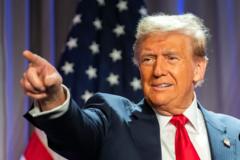
In a striking declaration, US President-elect Donald Trump has warned of implementing a 100% tariff on the BRICS nations—comprising Brazil, Russia, India, China, South Africa, Iran, Egypt, Ethiopia, and the UAE—if they opt to establish a rival currency to the US dollar. He expressed this sentiment through a social media post on Saturday, asserting that the trend of shifting away from the dollar would not go unchallenged. The idea of forming a new currency has been floated by key politicians in Brazil and Russia as a strategy to lessen the dominance of the US dollar in international trade. However, progress on this front has stalled due to disagreements within the bloc. Trump’s ultimatum indicates he expects these countries to formally commit to not pursuing a new BRICS currency or supporting alternatives to the dollar, warning that failure to do so would result in severe tariffs that would jeopardize their access to the US market.Trump’s abrasive approach to international trade and tariffs has been a defining feature of his political persona, reinforced during his campaign. His remarks also align with a broader pattern where influential figures within his administration suggest his tariff threats are tactical maneuvers rather than fixed promises. Senator Ted Cruz underscored the importance of leveraging such threats to drive negotiations, citing previous instances where similar tactics spurred swift political responses, as seen with Canadian Prime Minister Justin Trudeau's recent visit to Trump's Mar-a-Lago estate to avert potential tariffs on Canadian goods.Experts note that tariffs function as taxes imposed on imported goods, impacting domestic businesses and consumers rather than directly affecting foreign exporters. Economically, Trump's approach has drawn scrutiny, with many economists suggesting that tariffs typically result in more expenses for US consumers rather than the foreign entities they target. The tariffs imposed during Trump's first term are largely credited for raising costs for American households, a reality that persists under the current administration.As discussions among BRICS nations continue, the stakes remain high as they navigate their positions relative to the US dollar, while Trump’s administration prepares to remain a formidable force in global economic negotiations.
