
In brief
The Indian capital's air pollution levels have spiked, causing health risks for residents, particularly young children, due to the presence of fine particulate matter.
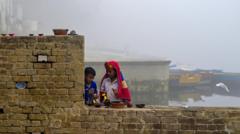
In response to escalating air pollution, the Delhi government has taken the drastic step of closing all primary schools. Chief Minister Atishi Marlena Singh revealed via a social media post that classes will shift to an online format until conditions improve. The decision comes as Delhi experiences a thick layer of smog that has drastically reduced air quality to dangerous levels.The air quality index (AQI) readings have been alarming, with the concentration of fine particulate matter (PM 2.5) in the atmosphere soaring to over 50 times the safe limit set by the World Health Organization (WHO). On Thursday, Delhi witnessed an average of 254 micrograms of PM 2.5 per cubic meter, while larger particles, classified as PM 10, averaged 495 micrograms—over ten times the safety threshold.This severe pollution is fueled annually by a combination of factors including lower temperatures, emissions from vehicles, dust, and the burning of crop stubble in neighboring states. The consequences of such pollution are dire; research indicates that it can lead to cardiovascular and respiratory diseases and adversely affect the development of children.Residents of Delhi are already reporting respiratory complaints, including eye irritation and breathing difficulties, which have drawn concern from health experts. In a recent study published in The Lancet, it was highlighted that fine particulate matter contributes to approximately 7.2% of daily fatalities in the city. Despite the expectation of a decline in air pollution levels in the coming days, the authorities warn that conditions will remain unhealthy. The government has implemented various measures to combat the smog, such as spraying water on roads and prohibiting non-essential construction activities, although critics argue that these initiatives have proven largely ineffective.Images taken from space showcase the pervasive nature of the smog across northern India, a visual that underscores the critical state of air quality. In light of similar pollution levels, some schools in Lahore, Pakistan, have also closed recently, indicating a regional crisis.As Delhi grapples with its air quality crisis, the urgency for effective and long-term solutions is more pressing than ever. The public continues to call for stronger actions to ensure health and safety amidst the ongoing environmental challenges.

