In brief
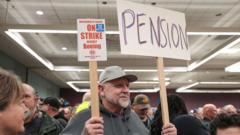
Striking workers at Boeing will vote on a new contract offering a 35% pay rise over four years. This decision comes after a month-long strike that has halted production and dramatically impacted the company's finances. The proposal does not address the reinstatement of a defined-benefits pension, which remains a crucial demand of the workers.
Boeing is at a pivotal moment as about 33,000 of its unionized machinists prepare to cast their votes on a new contract proposal that promises a substantial 35% pay increase spread over four years. This offer, aimed at resolving a strike that has persisted since September 14, is a response to the significant disruption in production, particularly affecting models such as the 737 MAX, 767, and 777 jets. The financial repercussions for Boeing have been severe, prompting the firm to pursue $35 billion in additional funding and announcing plans to lay off approximately 17,000 employees, which constitutes nearly 10% of its workforce. The local union, International Association of Machinists and Aerospace Workers Local 751, has emphasized the importance of this vote, stating, "The future of this contract is in your hands." Previously, union members refused an offer that included a 30% salary increase, feeling it fell short of addressing rising living costs. Their original demand was for a 40% hike along with the reinstatement of a defined-benefits pension plan that would provide fixed monthly income upon retirement. While the latest offer is more favorable in terms of salary, it still lacks the pension guarantee that workers are pushing for. Additionally, if approved, the contract would provide a $7,000 signing bonus and improved retirement plan contributions, including a one-time $5,000 injection and potential employer contributions up to 12%. The ongoing strike has also drawn attention from the Biden administration, with Acting US Labour Secretary Julie Su meeting with both union representatives and Boeing executives in Seattle, urging for a prompt resolution. This strike underlines Boeing's significant role in the US economy, especially after the company faced scrutiny for past safety issues related to the 737-MAX. As the vote approaches, tension lingers over Boeing's future, particularly in light of recent safety investigations and legal challenges, including a guilty plea to criminal fraud related to fatal accidents involving its aircraft.