
In brief
The US presents a 30-day ceasefire proposal to Russia following complex negotiations, reinstating military support to Ukraine and shifting diplomatic pressure to the Kremlin.
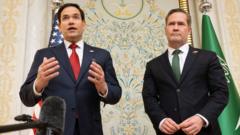
As dawn broke over Jeddah, the US government's officials radiated a sense of accomplishment as they embarked on their return journey. Amid recent tensions with Ukraine, Secretary of State Marco Rubio had satisfied President Trump's desire for a diplomatic breakthrough. Two weeks of strained relations culminated in a joint statement advocating for an “immediate” 30-day ceasefire with Russia, contingent upon Moscow’s agreement. In exchange for agreeing to this truce, the US intends to resume arms supplies and intelligence sharing with Kyiv. Rubio confidently expressed the ambition behind the deal, framing it as a pivotal move towards President Trump’s vision of peace, which he described as removing hostilities quickly: “Neither side is shooting at each other…The shooting stops, the fighting stops, and the talking starts.” For Ukrainian President Volodymyr Zelensky, the ceasefire proposal is vital, especially following a tense Oval Office encounter with Trump and Vice-President JD Vance over US security guarantees, which had been previously suspended.The ceasefire plan, while brief and lacking extensive details, reflects a clear urgency from the Trump administration. However, many European allies remain wary, fearing that an expedited ceasefire without detailed terms could inadvertently support Russia, allowing it to strengthen its position during negotiations. Concerns persist that without preconditions, a ceasefire could lead to Ukraine effectively surrendering control of its territories.Ukrainian President Zelensky, who has previously expressed apprehensions regarding Russian trustworthiness, found a silver lining in the proposal’s commitment to restore US security assistance, including significant intelligence support critical for military operations. Discussions are set to determine how these guarantees will promote Ukraine’s future security, though Trump’s dismissive attitude toward Zelensky’s worries has sparked mixed reactions.The plan also includes an agreement on developing Ukraine's mineral resources, which some see as a potential economic lifeline to deter future aggression. Trump promotes the idea that American corporate investment would ultimately ensure Ukraine's prosperity and security; nonetheless, historical precedents prompt skepticism about its effectiveness against Russian aggression.In a polite yet notable gesture, the Ukrainian delegation expressed gratitude towards Trump, revealing an effort to mend diplomatic relations amidst this complex negotiation. The unfolding events represent a significant step in the ongoing saga of US-Ukraine-Russia relations, but the path ahead is fraught with uncertainty as all eyes turn towards Moscow for a response.
