In brief
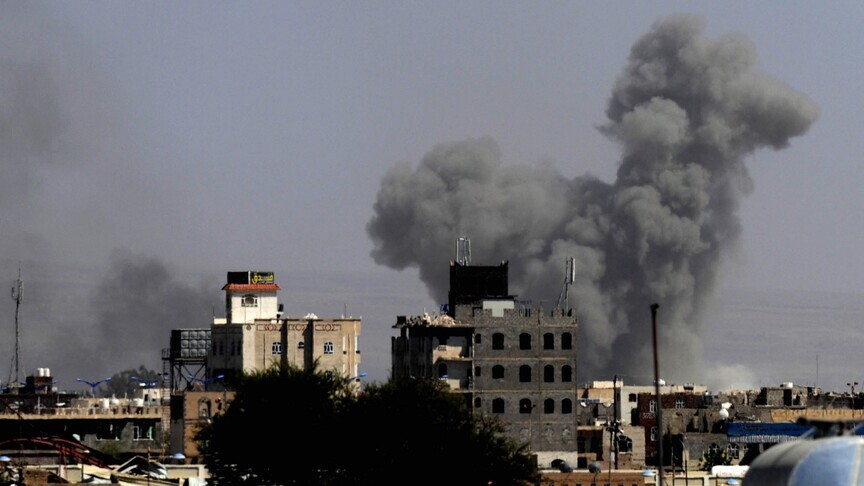
In a remarkable twist in the ongoing Syrian civil conflict, anti-government forces have rapidly advanced from the northern regions toward the capital, Damascus. Recent footage reveals the destruction of monuments representing the Assad dynasty, which has dominated Syria for over five decades. As these iconic symbols of the regime tumble under the cries of opposition supporters, a critical question has emerged: Could the current advance lead to the ousting of President Bashar al-Assad?
The commander of the rebel alliance, Abu Mohammed al-Jolani, has made his ambitions clear, stating, “Our goal is to liberate Syria from this oppressive regime.” But whether the rebels will achieve their aims remains uncertain. Experts warn that the impending struggle for control of Damascus could be the most significant confrontation yet in a regional turmoil ignited by the Hamas-led attack on Israel on October 7, 2023.Major players in the region, such as Israel, Iran, and Turkey, all have vested interests in the outcome of this conflict. The expanding involvement of these powers adds complexity to the already volatile situation, suggesting that the ramifications of the Syrian turmoil could extend beyond the Middle East, impacting global power relations, particularly with the United States and Russia also in the mix.As the rebel forces gain ground, the prospect of a renewed and intensified civil war raises concerns not only for the stability of Syria but for the entire region's balance of power. The unfolding situation will be closely monitored, as the stakes have never been higher in this ongoing war.