In brief
The Eastern European nation of Moldova is striving to reshape its economy by promoting foreign investment, particularly in the technology sector, amidst ongoing geopolitical uncertainties.
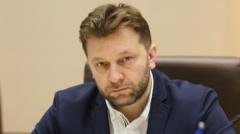
Moldova is taking significant steps to attract foreign businesses as it seeks to overcome political challenges and solidify its economic future. Dutch entrepreneur Luc Vocks, who moved to Moldova in 2007 with aspirations of setting up a business, has successfully established DevelopmentAid, a company that connects job seekers in the international development community and employs 180 staff in the capital, Chisinau. Vocks reflects on his initial experiences, noting the stark contrasts with the current business climate and the draw of cheap living when he first arrived.The Moldovan government is actively promoting lower business tax rates to entice entrepreneurs. The country boasts a competitive standard corporate tax rate of 12%, significantly less than the UK and the Netherlands, where Vocks initially launched his company. Particularly appealing is the Moldova IT Park (MITP), launched in 2018, which offers tech companies a mere 7% tax rate and exemptions from employee contributions, fostering an influx of new businesses.Moldova's ambition to modernize is buoyed by the leadership of President Maia Sandu, who advocates for EU membership by 2030. Despite a narrow victory in recent constitutional reforms supporting EU alignment, the threat of external interference looms large, especially from Russia, which supports the separatist region of Transnistria.Deputy Prime Minister Dumitru Alaiba emphasizes the rapid transformations Moldova has undergone, shedding its reputation for corruption and inefficiency. The country has risen in the global Corruption Perceptions Index, signaling a more favorable environment for entrepreneurs. Vocks notes the improvements in bureaucratic processes that once hampered business operations, highlighting a more streamlined experience for foreign investors today.MITP further supports businesses by simplifying immigration through the IT Visa program, making Moldova an attractive destination for tech firms. Over 2,000 companies have registered, generating substantial revenue and contributing significantly to the national economy. While salaries in the IT sector have surged, attracting talent is increasingly competitive.However, challenges remain. High salaries are causing concerns among smaller firms, while many Moldovan workers continue to emigrate despite favorable conditions domestically. The ongoing conflict in neighboring Ukraine adds another layer of apprehension for foreign investors, although Alaiba remains optimistic about Moldova's stability.As Moldova positions itself as a regional business hub with connections toward Central Asia, the nation recognizes its potential. With emerging progress in technology and increasing interest from foreign entrepreneurs, Moldova aims to solidify its place on the international economic stage, creating a vibrant business environment in Chisinau.