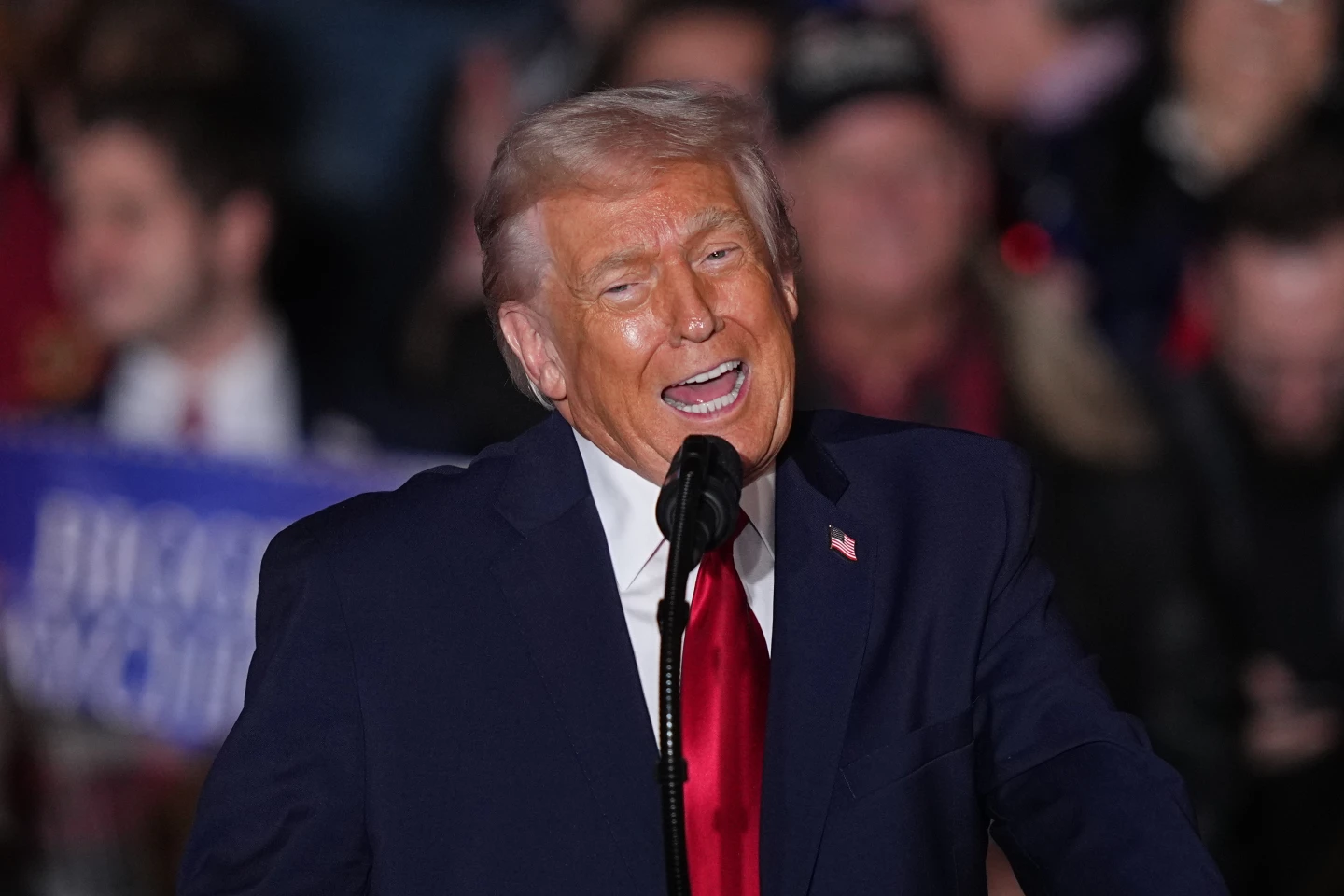
The recent assertion by former U.S. President Donald Trump regarding a supposed genocide against South Africa's white Afrikaner community has reignited fierce debate within political and social discourse. Following Trump's claims, approximately 60 Afrikaners received refugee status in the United States, raising eyebrows about the circumstances under which these individuals fled their homes. The South African government cooperated with the U.S. embassy to facilitate their immigration, a move that contradicts typical narratives of fleeing from systemic violence and oppression.
The Afrikaner identity, deeply rooted in European colonial history, comprises descendants primarily of Dutch, German, and French settlers who established their communities in southern Africa. Historically, this group played a pivotal role in the establishment of apartheid, a regime characterized by laws enforcing racial segregation and discrimination against the black majority. The end of apartheid in 1994 marked a significant political shift, allowing black South Africans to gain equal rights, including the right to vote.
Despite the current demographics—Afrikaners making up about 4% of South Africa's population—there are no formal claims of genocide from established political parties, including those representing white South Africans. Misinformation, including sensationalized claims of attacks on farmers, has gained traction in right-wing circles, and Trump had previously alluded to this narrative in past statements. A ruling by a South African judge dismissed claims of genocide as unfounded while addressing cases linked to white supremacist organizations.
The South African crime statistics highlight serious security concerns, yet they complicate the genocide narrative. For instance, research shows thousands of murders occurring annually, with farm attacks accounting for a small fraction. South African President Cyril Ramaphosa lambasted the genocide allegations, emphasizing they stem from a refusal to accept the evolving political landscape.
Further complicating the dialogue are calls from notable figures like Elon Musk, who echoes concerns regarding land ownership laws that he claims disadvantage non-black South Africans. Additionally, the inflammatory rhetoric from the Economic Freedom Fighters (EFF), including the controversial "Shoot the Boer" song sung by its leader, has added tension to racial dynamics in South Africa.
Despite interest from around 70,000 Afrikaners to move to the U.S. following Trump's refugee offer, many Afrikaners have publicly voiced their intention to remain in their homeland. Advocacy groups, such as Solidarity, emphasize reasons for staying, highlighting commitments to building their future in South Africa amidst claims of persecution.
As discussions surrounding the narrative of genocide unfold, it remains crucial to differentiate between facts, perceptions, and the complex realities facing Afrikaners, with various stakeholders providing their interpretation of these contentious issues.