The US has imposed sanctions on a network it claims is recruiting former Colombian soldiers and training individuals to fight in Sudan's civil war.
Eight entities and individuals - primarily of Colombian nationality - have been aiding the Sudanese paramilitary Rapid Support Forces (RSF), the US Treasury's Office of Foreign Assets Control (OFAC) stated. Hundreds of Colombian mercenaries are reported to have travelled to Sudan since 2024, serving as infantry and drone pilots for the RSF.
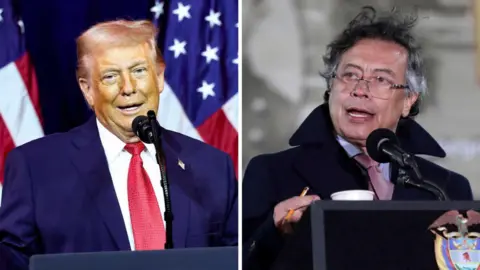
Colombian President Gustavo Petro has condemned such mercenary activities, emphasizing that those who spill young blood for money in foreign countries must be punished criminally.
The trend of soldiers participating in foreign conflicts dates back to US military involvement in Afghanistan and Iraq, which has left many retired Colombian soldiers seeking opportunities abroad. This phenomenon has led to an increase in Colombians being deceived into mercenary roles, often under false pretenses of low-risk work.
In 2024, Colombia's Foreign Ministry acknowledged the existence of sophisticated human trafficking networks that mislead citizens into becoming mercenaries.
On December 10, the US Treasury's OFAC emphasized targeting this network that is reportedly recruiting fighters for the RSF, which has been in conflict with the Sudanese army since April 2023. Treasury officials highlighted the group’s record of targeting civilians, suggesting their actions contribute to regional instability.
The RSF's alleged human rights abuses have caught the attention of US officials; the group has been accused of committing genocide and war crimes. The US has identified the existence of a network responsible for recruiting and deploying mercenaries to support the RSF, including allegations of training children to fight.
Recent military engagements have seen Colombian fighters in numerous battles around Sudan, with the RSF claiming control of significant territories, including the city of el-Fasher after a prolonged siege.
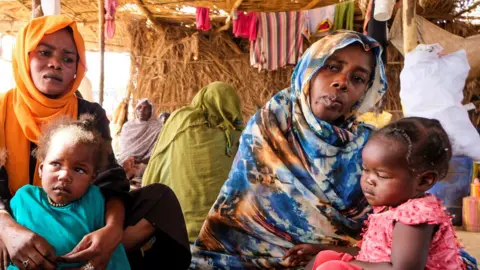
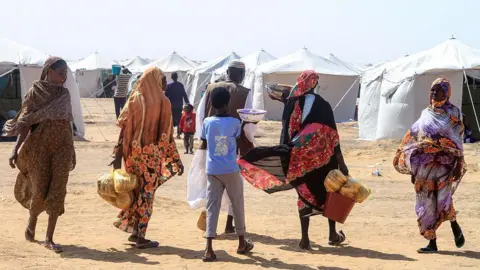
In light of these developments, the international community continues to pressure for a resolution, as the humanitarian crisis in Sudan deepens, with millions displaced and critical infrastructure in jeopardy.