In its latest military actions against Iran, Israel finds itself amidst a complex landscape of international reactions. Traditional allies, who previously rallied around Israel in times of conflict, are exhibiting unease rather than firm support this time around. After an audacious attack targeting Iranian nuclear facilities, a marked difference has emerged in the responses from international allies, contrasting sharply with the support seen in previous confrontations.
In the past, nations like the United States and the United Kingdom offered substantial military support, including fighter jets and air defense systems, and Jordan even confirmed intercepting Iranian missiles. Yet, following the most recent strikes, European allies have begun to voice their concerns. British Prime Minister Keir Starmer expressed apprehension, remarking that “escalation serves no one in the region.” Similarly, Kaja Kallas, the European Union’s chief diplomat, labeled the situation “dangerous,” reflecting growing alarm among European leaders over Israel's increasingly aggressive military stance.
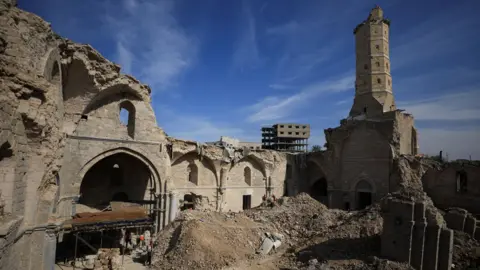
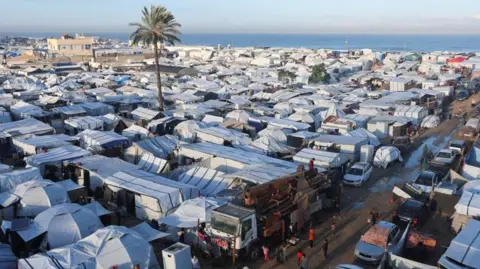
As the clashes intensify, Israel has faced increased condemnation for its actions in Gaza as humanitarian crises deepen. Critics, including leaders from Egypt and Turkey, emphasize the potential breach of international law implied by Israel's latest military operations. The Egyptian government termed the strikes a “direct threat to regional and international peace and security," while Turkey accused Israel of choosing force over diplomacy.
Despite the criticisms, some nations still express support for Israel. President Trump commended the strikes as “successful,” urging Iran to curtail its nuclear ambitions. French President Emmanuel Macron acknowledged Israel's right to defend itself amidst escalating regional threats, while Germany's Chancellor Friedrich Merz underscored the dangers posed by Iran's nuclear development.
Daniel B. Shapiro, a former U.S. defense official, pointed out that while the U.S. did not participate in the recent strike, it remains ready to assist Israel’s defense if needed. The wary reactions from allies signal a pivotal moment in Israeli-Iranian relations as global leaders grapple with the prospect of a broader military conflict in the region. As tensions continue to rise, the world watches closely, given that any Iran counterattack could redefine defense alliances and policies moving forward.
In the past, nations like the United States and the United Kingdom offered substantial military support, including fighter jets and air defense systems, and Jordan even confirmed intercepting Iranian missiles. Yet, following the most recent strikes, European allies have begun to voice their concerns. British Prime Minister Keir Starmer expressed apprehension, remarking that “escalation serves no one in the region.” Similarly, Kaja Kallas, the European Union’s chief diplomat, labeled the situation “dangerous,” reflecting growing alarm among European leaders over Israel's increasingly aggressive military stance.
As the clashes intensify, Israel has faced increased condemnation for its actions in Gaza as humanitarian crises deepen. Critics, including leaders from Egypt and Turkey, emphasize the potential breach of international law implied by Israel's latest military operations. The Egyptian government termed the strikes a “direct threat to regional and international peace and security," while Turkey accused Israel of choosing force over diplomacy.
Despite the criticisms, some nations still express support for Israel. President Trump commended the strikes as “successful,” urging Iran to curtail its nuclear ambitions. French President Emmanuel Macron acknowledged Israel's right to defend itself amidst escalating regional threats, while Germany's Chancellor Friedrich Merz underscored the dangers posed by Iran's nuclear development.
Daniel B. Shapiro, a former U.S. defense official, pointed out that while the U.S. did not participate in the recent strike, it remains ready to assist Israel’s defense if needed. The wary reactions from allies signal a pivotal moment in Israeli-Iranian relations as global leaders grapple with the prospect of a broader military conflict in the region. As tensions continue to rise, the world watches closely, given that any Iran counterattack could redefine defense alliances and policies moving forward.