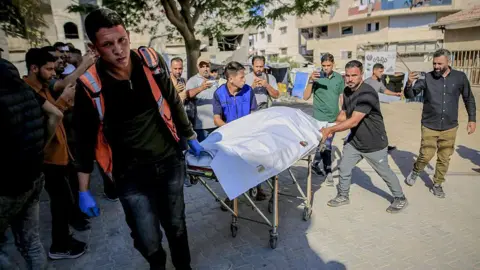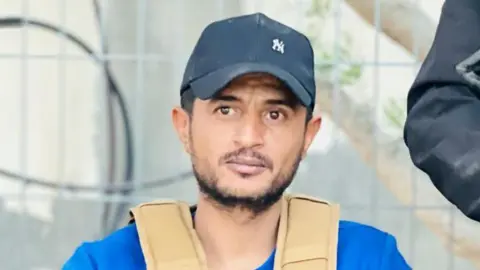
A prominent Palestinian militia leader in Gaza who opposed Hamas has been killed.
Yasser Abu Shabab headed the so-called Popular Forces group, which has dozens of fighters and operates in Israeli-controlled territory near the southern city of Rafah.
The Popular Forces said in a statement that Abu Shabab was shot while 'attempting to resolve a dispute' between members of the Abu Seneima family. It dismissed as 'misleading' reports that he was killed by Hamas, which had accused him of collaborating with Israel.
An earlier statement from Abu Shabab's Bedouin tribe, the Tarabin, said he had been killed 'at the hands of the resistance', and accused him of betraying the Palestinian people.
Other sources said his death was the result of an internal power struggle.
A Hamas statement said the 'fate that befell' Abu Shabab was 'the inevitable fate of all who betray their people and homeland and are content to be tools in the hands of the occupation [Israel]', without claiming involvement in his killing.
Israel's Army Radio cited a security source as saying that Abu Shabab had died of his wounds after being evacuated to Soroka hospital in the southern Israeli city of Beersheba. But the hospital denied that he died under their care.
The statement from the Popular Forces pledged to continue on Abu Shabab's 'path until the last terrorist is eliminated from the soil of Gaza and a bright and secure future is built for our people, who believe in peace'.
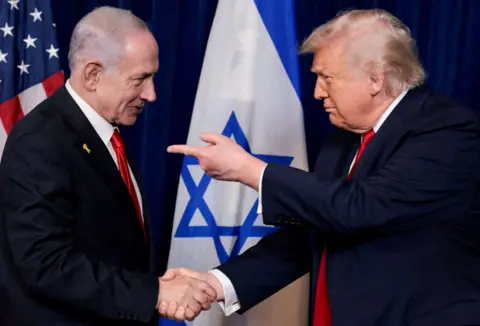
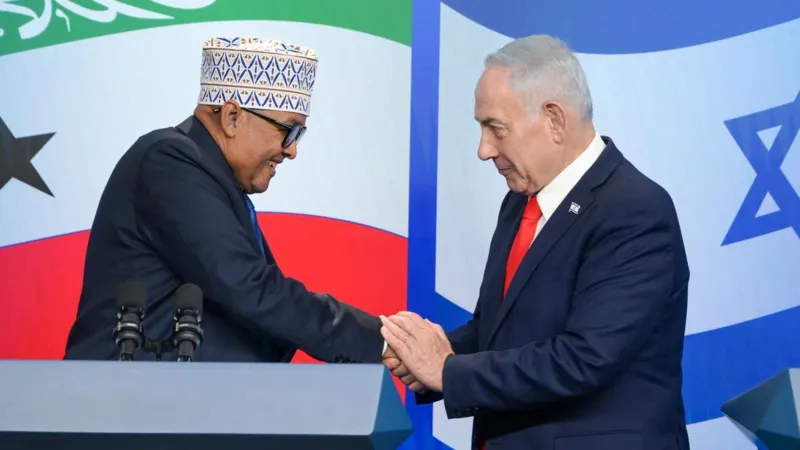
In June, Israel's Prime Minister Benjamin Netanyahu confirmed that Israel was arming Palestinian clans in Gaza that he said were opposed to Hamas. It came after Israeli media reported that he had authorised the supply of weapons to the Popular Forces. However, the militia denied that it was being armed by Israel.
The Popular Forces have been accused of looting humanitarian aid trucks sent into Gaza during the war, which the militia has also denied.
Since the ceasefire between Israel and Hamas began almost eight weeks ago, Abu Shabab had reportedly been one of several anti-Hamas militia leaders jostling for position in the second phase of US President Donald Trump's Gaza peace plan.
This plan includes setting up an interim government, deploying an international stabilisation force, the withdrawal of Israeli troops, and the disarmament of Hamas.
Under the first phase, Hamas agreed to return all 48 living and dead hostages it was still holding in exchange for the release of hundreds of Palestinian prisoners and detainees in Israeli jails, as well as a partial Israeli withdrawal and a surge in humanitarian aid.
The body of one dead Israeli hostage is yet to be returned.
Israel's government has previously said it would not join talks on the second phase until Hamas has returned all the hostages. However, Trump said on Wednesday that the second phase was 'going to happen pretty soon'.
The war in Gaza was triggered by the Hamas-led attack on southern Israel on 7 October 2023, in which about 1,200 people were killed and 251 others were taken hostage. More than 70,120 people have been killed in Israeli attacks in Gaza since then, according to the territory's Hamas-run health ministry.