In a dramatic turn of events, Hossein Salami, the commander of Iran's Islamic Revolutionary Guard Corps (IRGC), has been killed in Israeli airstrikes that occurred early Friday morning. At 65 years old, Salami became the highest-ranking Iranian official to lose his life amidst escalating military confrontations. Known for his hardline stance against rivals such as Israel and the US, Salami had recently warned of dire repercussions should Iran be attacked.
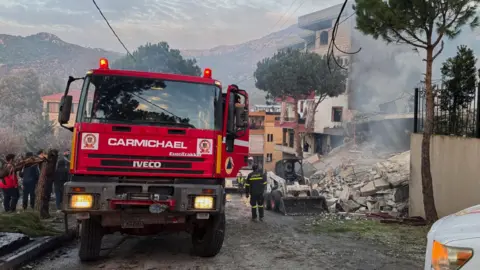
Israel’s military operations aimed at crippling Iran's nuclear ambitions included strikes on key infrastructures like nuclear facilities and missile factories, as well as targeting high-ranking military leadership. The strikes not only claimed Salami’s life but also that of other top military officials, raising alarms over potential broader conflicts in the region.
Salami’s rhetoric in the days leading up to his death was combative; he claimed Iran was prepared for any military scenarios presented by its adversaries. With a history of serving in the IRGC since the Iran-Iraq war, Salami's leadership included advocating for Iran's military prowess and readiness for confrontation.
As tensions soar, Iran's response to the strikes has been relentless, promising that both Israel and the US would face severe consequences. Iranian official statements have warned of rising dangers in the region, with many observers fearing the possibility of an outright war that could engulf the Middle East.
The IRGC, formed to protect Iran’s Islamic regime, has developed into a formidable military and political power, directly responding to the supreme leader. Its extensive involvement in the economy and influence in regional conflicts underscore its critical role within Iran. This latest incident involving Salami marks a pivotal moment in a longstanding conflict characterized by both military engagements and deep-seated ideological differences, with the Iranian regime openly dismissing Israel's legitimacy.
Israel’s military operations aimed at crippling Iran's nuclear ambitions included strikes on key infrastructures like nuclear facilities and missile factories, as well as targeting high-ranking military leadership. The strikes not only claimed Salami’s life but also that of other top military officials, raising alarms over potential broader conflicts in the region.
Salami’s rhetoric in the days leading up to his death was combative; he claimed Iran was prepared for any military scenarios presented by its adversaries. With a history of serving in the IRGC since the Iran-Iraq war, Salami's leadership included advocating for Iran's military prowess and readiness for confrontation.
As tensions soar, Iran's response to the strikes has been relentless, promising that both Israel and the US would face severe consequences. Iranian official statements have warned of rising dangers in the region, with many observers fearing the possibility of an outright war that could engulf the Middle East.
The IRGC, formed to protect Iran’s Islamic regime, has developed into a formidable military and political power, directly responding to the supreme leader. Its extensive involvement in the economy and influence in regional conflicts underscore its critical role within Iran. This latest incident involving Salami marks a pivotal moment in a longstanding conflict characterized by both military engagements and deep-seated ideological differences, with the Iranian regime openly dismissing Israel's legitimacy.