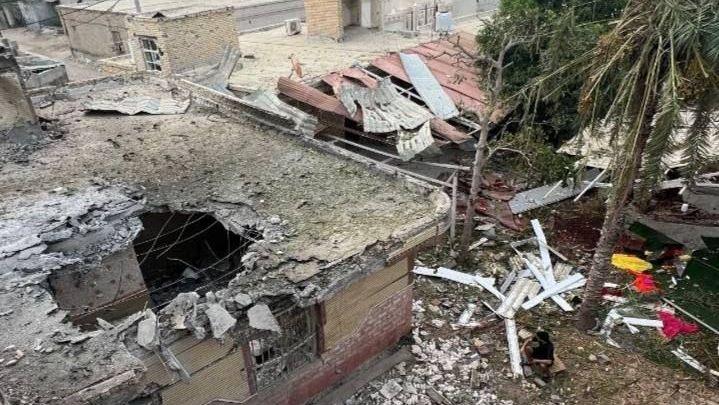
On 28 February, a missile strike struck Shajareh Tayyebeh Primary School in Minab, southern Iran, killing 156 people, including 120 children. The attack, documented by satellite imagery, was part of a larger U.S. offensive that targeted an Islamic Revolutionary Guard Corps compound located next to the school.
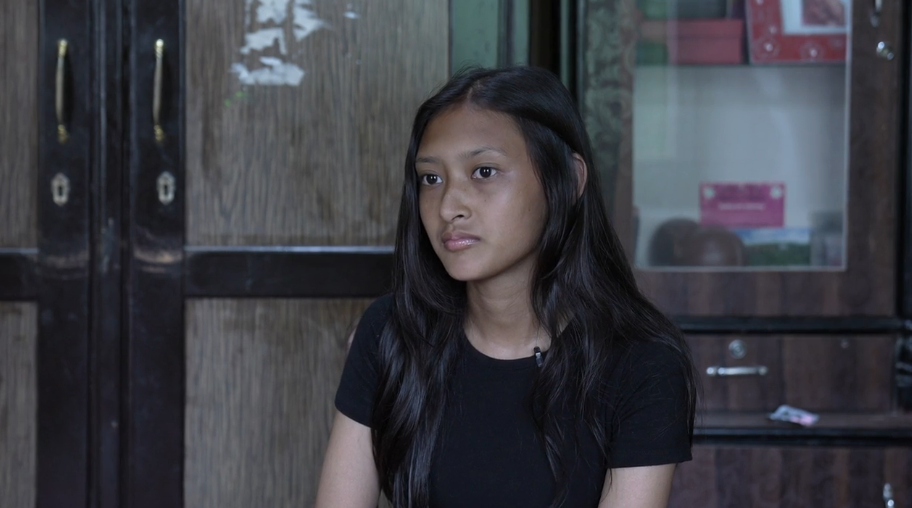
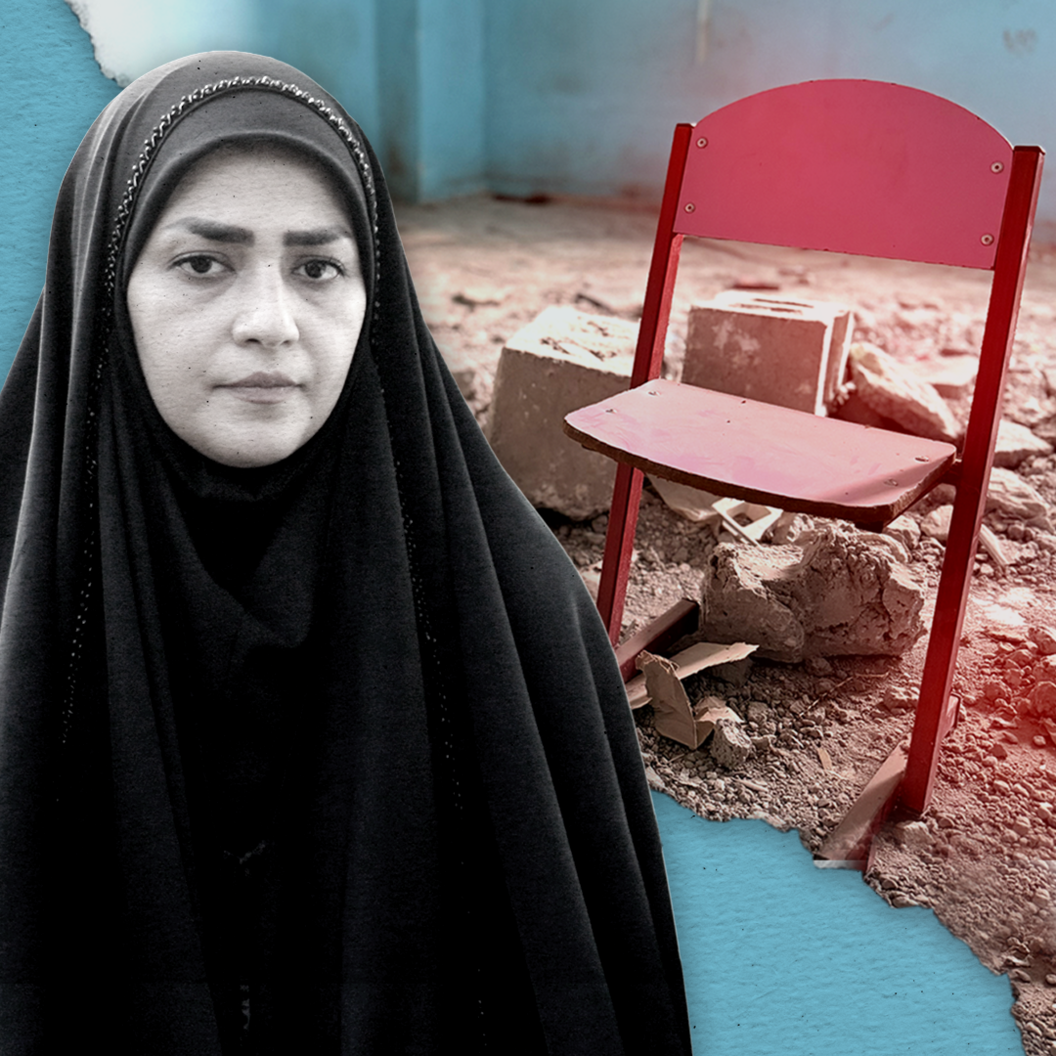
Schoolteacher Amaineh Nademi, 33, walked through the ruined building, describing walls stained with blood and fallen concrete. She said she heard an explosion just as she was standing in the corridor with five of her 15 first‑grade pupils, only to have the building collapse and become a shroud of smoke.
Relatives of the victims, such as Red Crescent worker Reza Besharati, recall frantic searches in the wreckage, some families discovering that their children were gone when they reached the site. One woman waited for a grave bearing her nine‑year‑old daughter, identified only by her socks.
Investigations by U.S. military officials suggest that outdated intelligence may have classified the school as a military target, leading to the tragedy. The U.S. has not admitted responsibility, though reports indicate the strike likely occurred inadvertently.
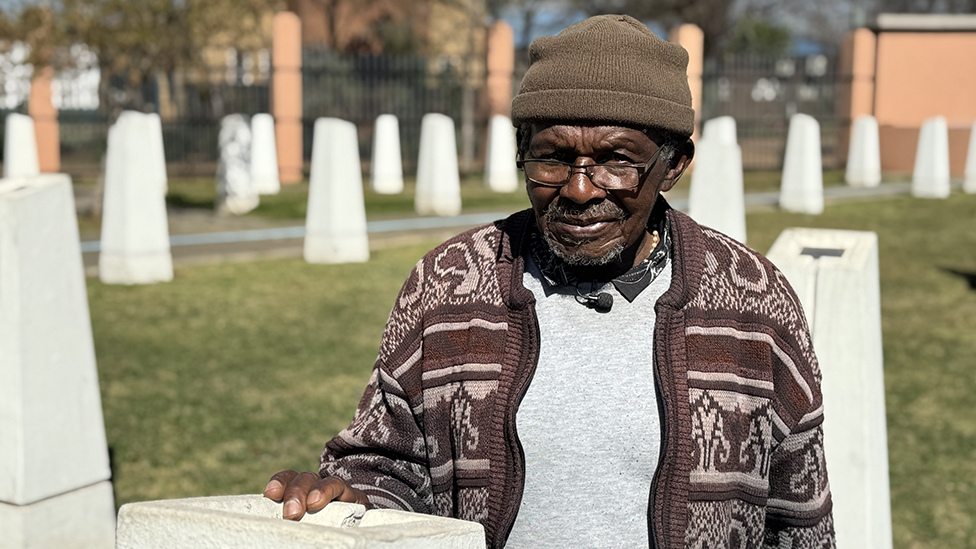
In Minab, the massacre has become a rallying point for government propaganda, with officials condemning the attack as an “unprovoked assault” and using the casualty number to highlight civilian losses. Memorials have sprung up around the cemetery where parents gather each evening, chanting prayers and holding photographs that once held classrooms now hold stories of loss.