In brief
A senior IRGC official announced the destruction of navigational aid systems in the southern Hormuz Strait, effectively blocking unauthorized vessels from nighttime transit. A separate report confirms that no unauthorized vessels transited the strait following the system’s downtime. The action raises concerns about maritime security and international shipping routes that depend on the strait’s navigation infrastructure.
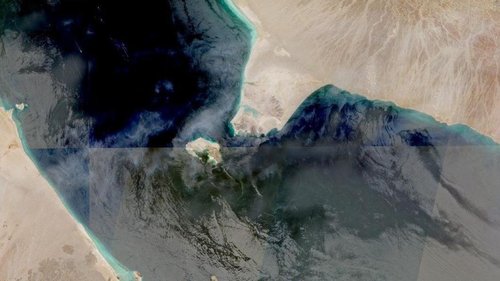
An Iranian Revolutionary Guard Corps (IRGC) official announced through a brief flash report on Xinhua that the navigation aid systems in the southern part of the Hormuz Strait have been destroyed, preventing any unauthorized vessels from transiting during the night. The statement, released on 9 November 2026, emphasised that the destruction of these aids would make overnight passage impossible for vessels not authorised to cross the delicate waterway.
"no unauthorised vessels transiting overnight."
The IRGC spokesperson, unnamed in the Xinhua release, used the phrase “navigation aid systems” to refer to the electronic and radio beacons that guide ships through the strait. With the loss of these signals, maritime traffic operators would be unable to navigate safely during the hours of darkness, effectively creating a maritime blockade for all but those vessels that the Iranian authorities deem authorized.
Confirmation of No Unauthorized Transit
Supporting the Xinhua report, a separate development came from Arab News, which noted that Iran reported no unauthorized vessels had passed through the Strait of Hormuz overnight after the destruction of navigation aids. While the Arab News page is currently inaccessible, the newsroom reference confirms that the information was received from Iranian state‑controlled media. This corroboration suggests that the immediate effect of the IRGC’s actions is a halt to unauthorized night‑time shipping through a vital choke point.
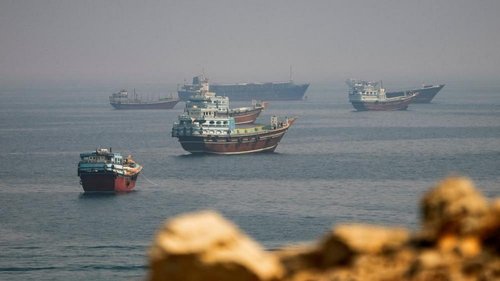
The southern Hormuz Strait is a critical artery for global oil and gas transit, with the International Maritime Organization (IMO) and numerous flag states monitoring traffic for safety and security. The sudden loss of navigational aids in this region essentially forces ships to alter routes or postpone crossings during nighttime. Shipping companies rely on the strait for efficient access to the Persian Gulf, and any perceived risk could trigger a shift to alternative passages, such as the Strait of Basra or the Gulf of Oman, with additional fuel and logistical costs.
Opposing accounts appear in a CGTN flash that claims the IRGC destroyed U.S. navigation systems south of Hormuz, targeting “two U.S. vessels, eight oil tankers, and ten ships” that were attempting to enter the restricted and dangerous area. This report is framed by an IRGC spokesman who said the strike was in response to the vessels’ attempted transit. While the CGTN source does not clarify whether these ships were authorised or not, the implication is that Iran is actively using navigation infrastructure to enforce its maritime sovereignty.
The centre of the issue is the balance between national security and commercial inefficiency. By cutting off navigation aids, Iran signals a willingness to enforce its claims over what it views as a strategic maritime corridor. However, the move subjects the region to higher risks of maritime accidents at night, potentially spurring insurance premiums to rise for vessels that continue to depend on the Hormuz Strait. Insurance carriers and compliance bodies such as the International Maritime Dangerous Goods (IMDG) Code could revise risk assessments, affecting global pricing for shipping spices.
International reaction mirrors historical precedent. The United Nations Security Council has repeatedly called for the respect of freedom of navigation, particularly in the Strait of Hormuz, a transit route of international importance. The U.S. Department of State may perceive the destruction of navigational aids as a violation of the 1980 U.N. Convention on the Law of the Sea (UNCLOS) provisions guaranteeing safe navigation for all vessels in international straits. While the incident is not the first maritime confrontation in the region, it signifies a sharp escalation in a conflict that has included past incidents such as the 2016 U.S. missile strike against the Iranian navy in the Gulf of Oman.
Within Iran, the IRGC's move reflects an ongoing effort to bolster domestic control over the maritime domain, increasing its influence over the national navy and its ability to regulate foreign shipping. The Iranian public, whose livelihoods may depend on the export of oil, could be directly affected by the potential slowdown of maritime transport unless alternative routes mitigate the loss. Moreover, the Iranian parliament’s oversight committees may seek to verify the claims regarding the destruction of navigation aids, potentially sparking a debate over the transparency and accountability of the IRGC’s operational decisions.
Across the board, the incident underscores an immediate civic stake: the integrity of international shipping lanes, the enforcement of national sovereignty, and the maintenance of civil infrastructure that underpins global trade. While the operation might be justified by security concerns, it also highlights the delicate interdependence between national militaries and international commercial shipping. The incident remains under close watch by maritime traffic monitoring authorities and diplomatic corps worldwide, who are monitoring the situation for any further escalation that could threaten the free flow of global commerce.