In brief
When 14 elephant carcasses appeared within a 30‑km radius of Amboseli National Park, Kenya Wildlife Service began an urgent probe. The deaths involve animals of different ages and sexes, suggesting a broad threat. Scarcer signs of disease or poisoning raise concerns that something else—perhaps human activity or environmental stress—may be responsible. The case has heightened alarm over elephant health and the success of anti‑poaching efforts in the region.
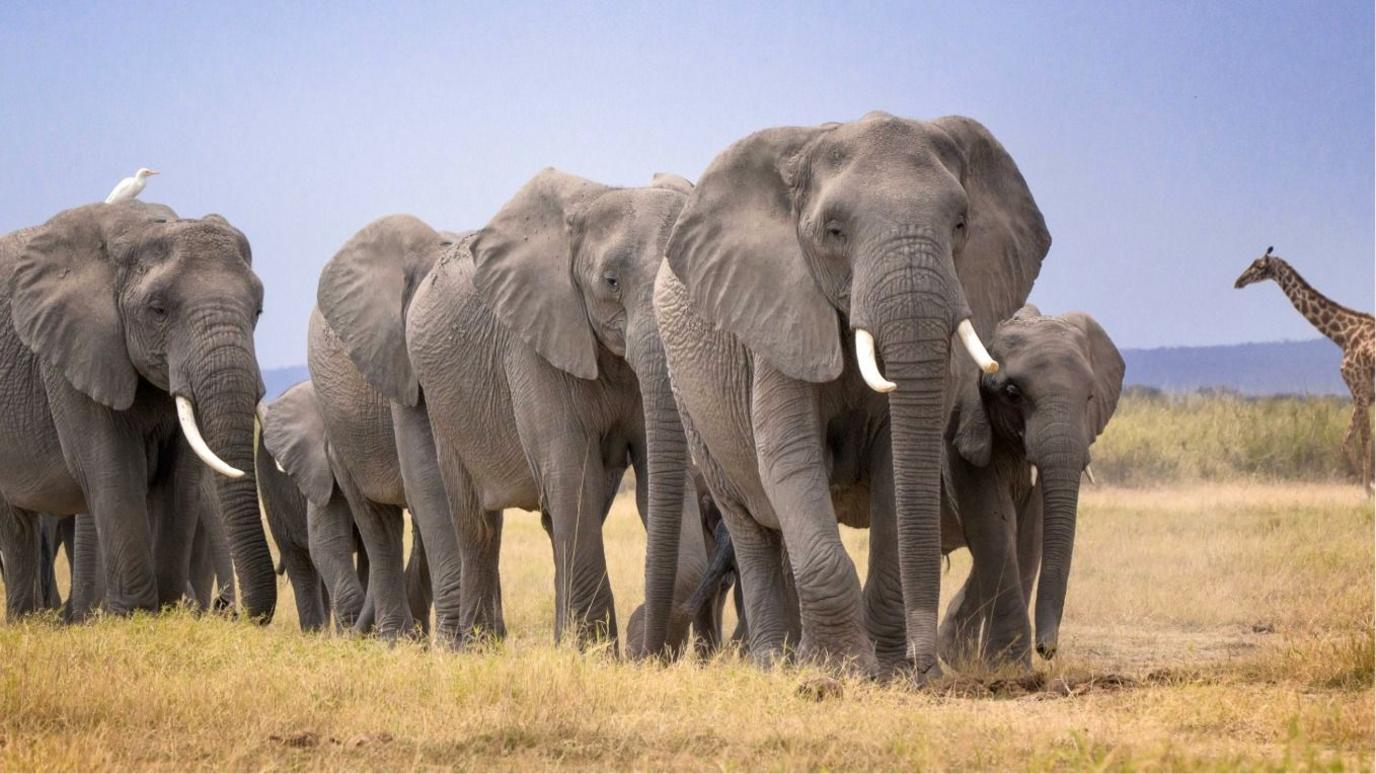
An urgent investigation has been launched into the mysterious deaths of 14 elephants in southern Kenya near Amboseli National Park.
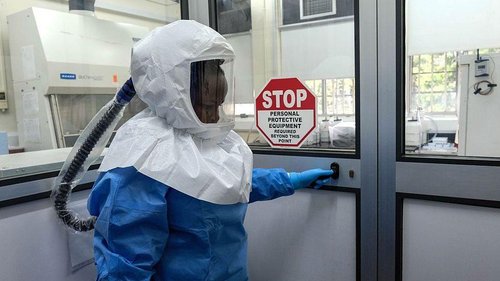
The Kenya Wildlife Service (KWS) has sent tissue samples from the carcasses to laboratories to test for disease, poisoning or other causes.
The bodies were found at various sites within 15‑30 kilometres of the park’s borders—a scale of mortality that the region has not seen in decades, even while anti‑poaching programmes have been effective.
Officials emphasise that the deaths involve elephants of all ages and sexes, indicating that the incident is not limited to a single family or demographic group.
“There is currently no evidence pointing to a single cause,” says Duncan Wanyama, KWS’s head of communication, telling the press.
Amboseli, straddling the Kenya‑Tanzania border, is home to an estimated 2,000 elephants as of 2025, according to the Amboseli Trust for Elephants.
Investigation teams are reviewing the carcasses for signs of disease, toxins, and human interference. They are also consulting local communities and park rangers for any unusual patterns.
Meanwhile, conservationists warn that such a sudden spike in elephant mortality could threaten the long‑term stability of the ecosystem and could undermine the gains made against poaching.
Residents, wildlife observers and researchers will be watching closely as new data emerges over the coming days.