In brief
A sudden declaration of martial law in South Korea has ignited a surge of civic engagement among the nation’s youth, challenging the stereotype of apathy among younger generations.
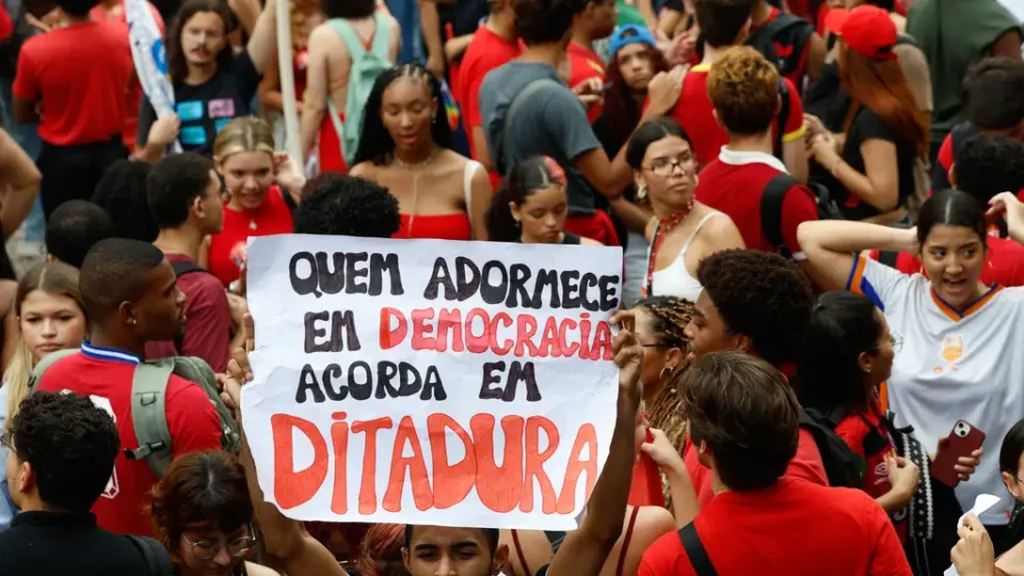
Dec. 12, 2024, marked a pivotal moment in South Korea’s political landscape as martial law declared just days earlier led to an unprecedented movement of young citizens rallying against perceived threats to democracy. On the evening of Dec. 3, Lee Suyoon, a 20-year-old college student, experienced a jarring shift in her perspective on political engagement. While enjoying a familiar late-night dinner with her mother, the shocking news of soldiers storming the National Assembly stirred profound feelings within her and her peers. Primed for the worst but hopeful for a return to normalcy, Lee initially brushed off the alerts coming in through social media.The aftermath jolted her into action after witnessing classmates discuss the chaos unfold. Videos of soldiers forcibly clashing with lawmakers began circulating, captivated the university social sphere, and ignited a sense of urgency among students. This compelled Lee to mobilize her friends to join in a larger demonstration.By that Saturday, the group joined tens of thousands others in protesting outside the National Assembly, coinciding with parliamentary deliberations on a possible impeachment of President Yoon Suk Yeol. “The martial law declaration has forced me to realize that democracy is important,” Lee stated, reflecting on the fragility of democratic norms. The newly awakened sense of civic duty among the young people of South Korea highlights a turning point in how they view their role in the political narrative of their country. Their unified protest represents a generation determined to preserve their democratic rights, demonstrating the power of collective action even in a crisis.