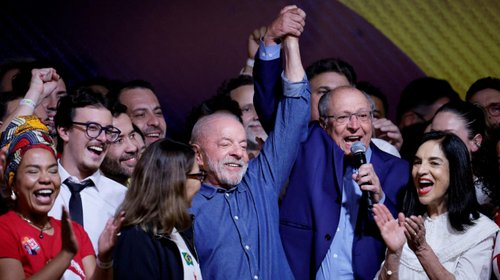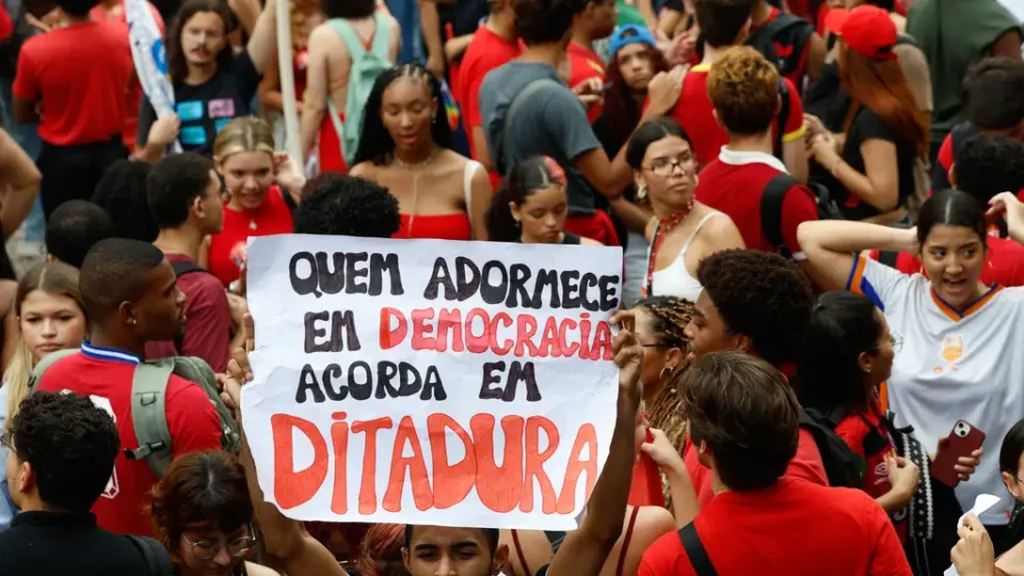
In Salvador on November 2, a crowd of students marched from Morro do Cristo in support of Brazil’s democratic institutions amid a surge of protests that began the previous Sunday across the country. The demonstration was organized by the National Union of Students (UNE) as part of its “Brasil com S” campaign, which calls for the defense of democracy, national sovereignty and the legitimacy of the October 25 presidential election results that confirmed Luiz Inácio Lula da Silva as president.
Students gathered after a letter was sent by Senator Flavio Bolsonaro, who was defeated in the recent election. The letter, released on October 28, claimed that Bolsonaro was the “true president‑elect” of Brazil, even though official tallies had declared Mr. Lula the winner.
Scholars and civic leaders warned that such claims undermine public confidence in the electoral process and threaten the democratic fabric of the nation. The UNE’s mobilization underscores the students’ commitment to uphold the integrity of the vote and to resist misinformation.
In a later draft of the letter, the symbol was changed and the phrase “true president‑elect” was replaced by “leader of Brazil” in an attempt to soften the rhetoric, but the underlying assertion remained unsubstantiated.
“I am the true president‑elect”
—Flavio Bolsonaro
The wording of the letter was publicly criticized, with many observers noting that it was evidence of a deliberate attempt to delegitimize the electoral outcome and sow doubt among the electorate about the victory of President Lula.
Brazilian students used the rally as a platform to demand that public officials respect the results of the popular vote and to call for continued vigilance in safeguarding elections from interference.
Participants wore shirts emblazoned with the campaign’s slogan “Brasil com S,” a stylized reference to the country’s official name. This visual identity linked the protests to a broader movement for democratic rights in Brazil.
Policymakers, educators, and civic groups in Salvador responded to the demonstration by reaffirming their support for transparent governance and the protection of constitutional norms.
The students’ actions highlight the role of young citizens in holding elected officials accountable. By mobilizing on public streets and demanding adherence to the legal outcome of the election, they reaffirmed the principle that governance is ultimately subject to the will of the people.
Across the nation, similar marches were organized in major cities. The collective pressure from civil society reinforced the need for a clear and firm demarcation between political rhetoric and factual evidence, ensuring that democratic institutions are not eroded by unfounded claims.
The demonstration in Salvador marked another milestone in Brazil’s ongoing campaign to preserve democratic governance, echoing the significance of institutions such as the Supreme Court and the electoral commission in safeguarding the legitimacy of elected officials.
While the protest did not result in immediate policy changes, it underscored the importance of active citizen participation in reinforcing public accountability, a necessity for the health of Brazil’s democracy.