In brief
Despite a proposed 35% pay increase, striking Boeing workers have overwhelmingly rejected the offer as negotiations continue in the face of ongoing financial and operational struggles for the aviation giant.
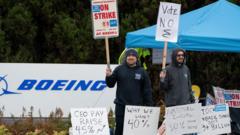
Striking Boeing workers have decisively rejected a substantial new pay offer from the aerospace manufacturer. The International Association of Machinists Aerospace Workers (IAM) announced that 64% of its striking members opposed the proposed deal, which included a notable 35% pay rise over the next four years. Over 30,000 Boeing employees have participated in the ongoing strike, which began on September 13, after an initial offer was overwhelmingly turned down.Boeing Chief Executive Officer Kelly Ortberg, who took charge earlier this year, expressed concerns about the company being at a "crossroads," as it grapples with mounting losses approaching $6 billion. IAM union representatives released a statement highlighting that the vote reflects the voices of workers, underscoring the importance of democratic engagement within the workplace and the repercussions of prolonged mistreatment by the employer.This rejection marks the second formal vote against a proposed deal, as workers previously rejected an offer by a staggering 95% last month. Meanwhile, Ortberg has been working diligently to reverse the company's negative reputation, ravaged by manufacturing and safety issues, stating that restoring Boeing’s glory will require considerable time and effort.Amid a slew of challenges, including a significant ejection incident involving one of its passenger aircraft, Boeing's struggles have intensified with the strike disrupting production lines further. Ortberg mentioned that the firm is under heavy financial strain, noting operational losses of about $4 billion in the commercial aircraft sector and nearly $2.4 billion in its defense unit.The firm's challenging state has raised concerns about customer dissatisfaction due to lapses in service and performance. Experts from S&P Ratings highlighted the pressing need to resolve the strike to start the recovery process, as the company currently holds a backlog of approximately 5,400 aircraft orders. However, Ortberg cautioned that resuming operations after the strike concludes will pose significant challenges, emphasizing the need for careful planning.In a move to cut costs and manage resources amid the crisis, Boeing earlier announced plans to reduce its workforce by about 10%. The ongoing strike has led to many employees being placed on rolling furloughs, affecting not just Boeing but also its suppliers. Ortberg's commitment to cultural change within the company remains a focal point as he seeks to mitigate recurring workplace issues and improve collaboration going forward.