In brief
A recent heatwave‑driven storm collapse caused 900 flights between Heathrow and Gatwick to be delayed by up to eleven hours, and dozens more cancelled. Air traffic controllers struggled to route aircraft through congested, storm‑laden airspace, exposing the vulnerability of a crowded European skies. Experts warn that warming temperatures will intensify convective storms, making such disruptions more frequent and potentially dangerous, as aircraft may need to divert without enough runway space. Advances in ground traffic management, better fuel planning, and flood‑proofing of airport infrastructure are being considered to mitigate future risks, though costs will likely fall on passengers and taxpayers.
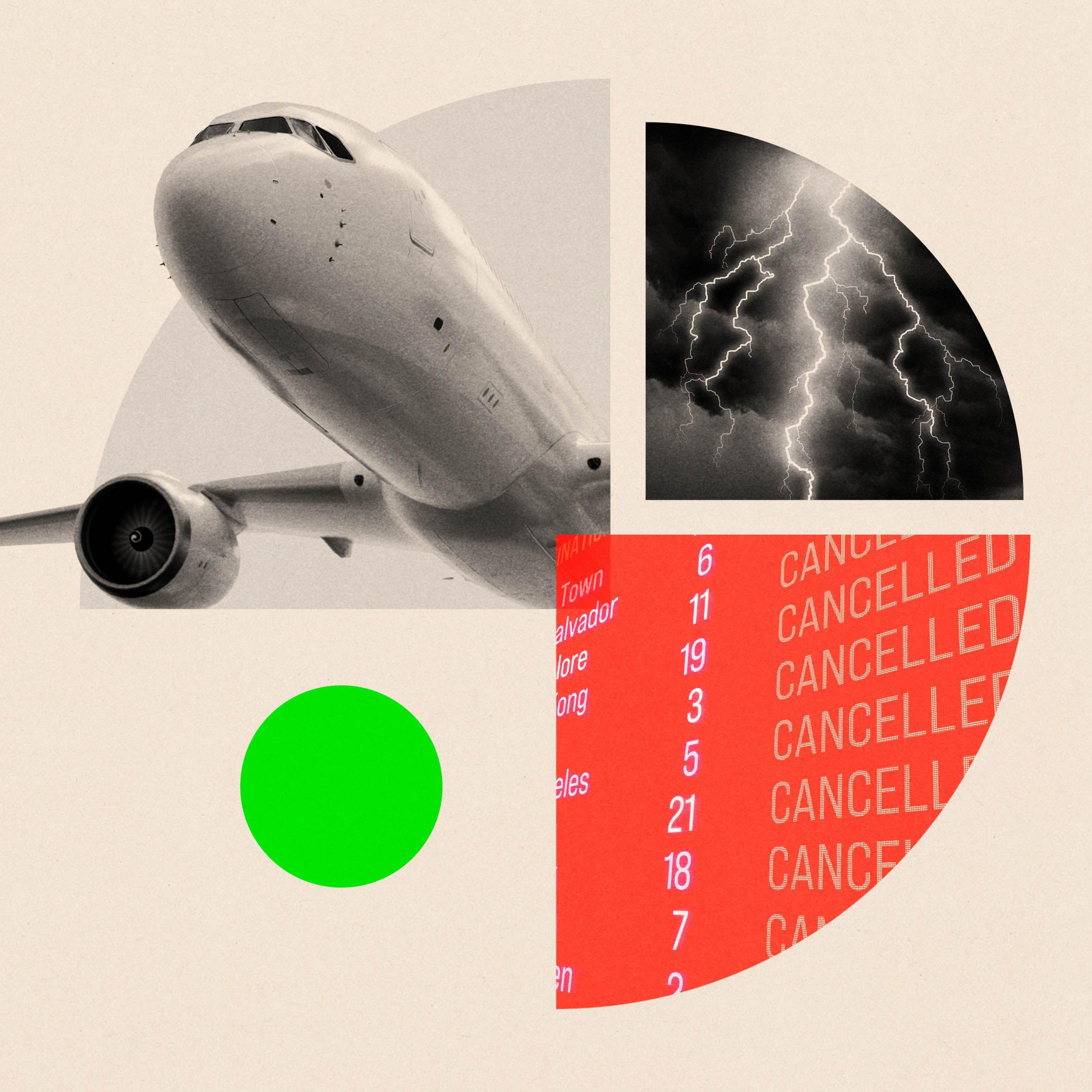
On a sweltering Saturday in late June, a massive thunderstorm system swept over southern England and northern Europe, choking flight fleets at Heathrow and Gatwick. Air traffic controllers found themselves rerouting thousands of aircraft while the skies became heavily congested, leading to delays of up to eleven hours for 900 flights and cancellations of dozens more.
The incident highlights a future risk for a region already stretched thin by the volume of flights entering and leaving Britain – a risk that is likely to grow as climate change intensifies convective activity. "What we're seeing now is very rapid climate change," said Tim Atkinson, an airline risk consultant and former pilot, warning that a joint down‑pour could suddenly shut down all of London’s airports.
These conditions force aircraft to divert to nearby hubs, straining infrastructure and potentially running out of fuel if delays extend beyond the planned 30‑minute contingency. While airports have implemented new spacing calculations and more dynamic control measures, the financial impact will resonate with passengers and airline operators alike.
In addition to storms, rising sea levels threaten airports such as LaGuardia and New York’s larger hubs, jeopardising runway operations during major storms like Hurricane Sandy. A Newcastle University report estimates that 269 airports already risk flooding, a figure projected to rise sharply by 2050, with total mitigation costs possibly reaching $57 bn (£42 bn).
The aviation industry, aiming for carbon neutrality by 2050, faces a paradox: expanding fleets while confronting higher operational costs and increased disruption. "We need to ensure we have enough space at air terminals for people whose flights are delayed," said Andrew Charlton, a former airline executive. "Passengers will have to accept that disruptive moments are going to happen more often.”