In brief
After two decades in development, the Grand Egyptian Museum, spanning 120 acres near Giza, is finally showcasing selected galleries to the public. The museum, a home to over 100,000 ancient Egyptian artefacts, is partial open and includes items like pharaonic statues and mummified bodies. King Tutankhamun's treasures, however, remain under wraps. Originally planned to open in 2012, the project faced delays due to financial issues, political unrest, and the pandemic, costing more than $1bn. Currently in a trial phase, full opening details are still pending.
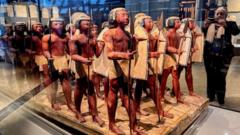
The Grand Egyptian Museum, located near the iconic Giza pyramids, has opened several galleries to the public for the first time. The site, more than 20 years in development, is intended to house the world's largest collection of ancient Egyptian artefacts, totaling over 100,000 objects. While King Tutankhamun's extensive collection remains to be unveiled, visitors can now explore an array of exhibits, from pharaonic statues to mummified figures. The museum project, which surpassed $1bn in costs, faced numerous delays due to political unrest, financial issues, and the Covid-19 pandemic since its planned 2012 opening. This partial opening is part of a trial run, with the official full opening date yet to be announced. The newly available galleries offer a glimpse into Egypt's rich history and civilization, featuring wall paintings and ornate sarcophagi that reflect ancient burial customs and beliefs about the afterlife. As the museum edges closer to completion, anticipation builds around the display of Tutankhamun's treasures, regarded as a crown jewel of Egyptian heritage.