In brief
Algeria has authorised its first overseas deployment of troops since 1973, stationing a contingent in northern Niger to safeguard key energy projects against jihadist groups. The decision follows a diplomatic thaw and Algeria’s economic interests, including a planned gas pipeline and joint oil exploration in the Kafra region. Parliamentary approval was swift, with 148 of 174 senators voting in favour. Though the exact numbers and dates remain undisclosed, the move marks a significant shift in Algeria’s historically non‑interventionist military policy and runs parallel to other regional security efforts.
Algeria has approved the first deployment of its armed forces abroad since 1973, when troops marched to Egypt during the Arab‑Israeli war. The government has agreed to station an undisclosed contingent in northern Niger to defend the country’s energy infrastructure and reduce the threat posed by insurgent groups linked to al‑Qaeda and the Islamic State.
The decision follows a recent visit by Niger’s defence minister to Algiers and a long‑standing drive to protect joint economic projects, including a planned natural‑gas pipeline that would run from Nigeria through Niger to Algeria and an ambitious oil‑exploration agreement in the Kafra region.
Parliamentary support was decisive: 148 of 174 senators voted for the deployment during an emergency session, and the lower house subsequently endorsed the move. Algerian Senator Belkacem Boulghiti clarified that the mission is "not to wage war in Niger but to secure economic infrastructure."
For Algeria, a country that has traditionally refrained from foreign military engagement, the decision marks a turning point. It will be the first use of a 2020 constitutional provision that allows overseas deployments and signals a strategic pivot toward greater involvement in the Sahel’s security landscape.
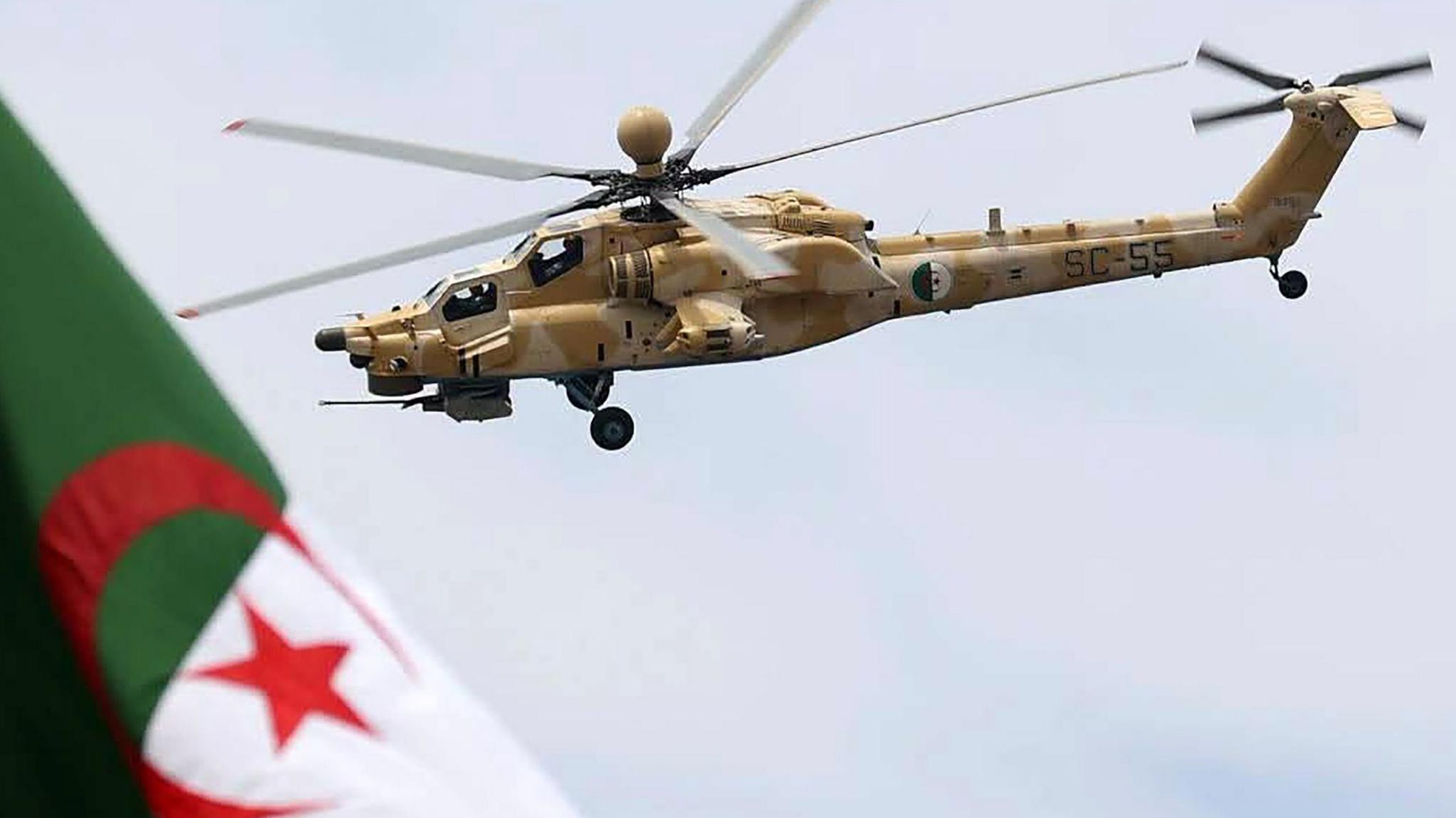
Relations between the two neighbours had been tense after 2025, when Niger recalled its ambassador in protest over Libya‑related incidents, but recent exchanges of military aid—including the donation of four helicopters by President Tebboune—have helped rebuild trust.
While the exact number of troops and the timeline remain undisclosed, officials stress that the security partnership should not evolve into a broader military intervention. The deployment has sparked debate across civil societies on both sides, with local groups calling for transparent oversight and a swift return as soon as infrastructure is secured.
Follow the evolving story of this historic deployment and its impact on the Sahel’s future security and economic prospects.