In brief
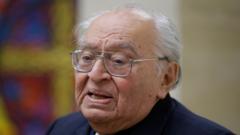
Gustavo Gutiérrez, a key figure in liberation theology and advocate for the poor, died in Lima at the age of 96. His groundbreaking work redefined the Roman Catholic Church's approach to social justice, despite facing significant opposition from conservative factions.
Father Gustavo Gutiérrez, a prominent Peruvian priest renowned for founding liberation theology, passed away on Tuesday at the age of 96 in Lima. This movement, which advocates for the Roman Catholic Church’s active role in combating poverty and social injustice, has seen both acclaim and criticism, with some detractors labeling it as Marxist.Gutiérrez, a Dominican friar and theologian, made waves in 1971 with his seminal book, "Theology of Liberation," which emphasized the Church’s responsibility towards the marginalized in society. While many embraced his progressive ideas throughout Latin America, he faced notable opposition, particularly from conservative factions within the Church, including Cardinal Joseph Ratzinger—who later became Pope Benedict. Ratzinger expressed concerns that Gutiérrez's ideas could lead to division within the Church and viewed them as a potential threat to the faith.Following the election of Jorge Mario Bergoglio as Pope Francis, relations improved between Gutiérrez and the Vatican. Gutiérrez applauded Pope Francis for advocating a Church aligned with the poor, and in 2018, the Pope recognized Gutiérrez's contributions in a heartfelt birthday letter.Before his priesthood, Gutiérrez pursued studies in medicine, literature, philosophy, psychology, and theology across various countries, including Belgium and France, where he encountered Marxist thought. Regardless of the Marxist critiques leveled against him, Gutiérrez consistently argued that his stance was rooted in biblical teachings and not revolutionary agendas. His ministry was characterized by an empathy for the challenges faced by the impoverished communities he served, challenging the Church's detachment from pressing issues. Gutiérrez believed that hope could flourish in bleak circumstances and contended that socio-economic conditions were human constructs rather than divine fate. Renowned for his approachable demeanor, he balanced his theological pursuits with pastoral duties, often officiating at community events and nurturing connections through discussions about everyday life, art, and culture. Fellow parishioners and students recall him as a joyful presence dedicated to uplifting the underprivileged. His enduring legacy as a champion for social justice and transformation within the Church continues to inspire many.