In brief
In the 2026 election, President Luiz Inácio Lula da Silva returned to power after a fierce campaign that criticized U.S. interference and tariffs. The win undermines Donald Trump's plan to build a pro‑Trump bloc among Latin American leaders, especially after Brazil’s status as the region’s largest economy and key supplier of rare earths. While Trump praised Lula and called the election "rigged", the outcome could spark new diplomatic friction as Lula continues to oppose U.S. military and economic actions in the region. The U.S. has already lifted some tariffs but tensions over Brazil’s domestic politics and technology policy remain high.
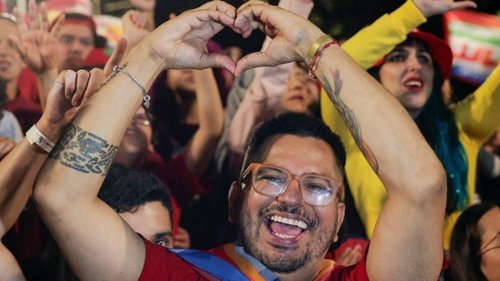
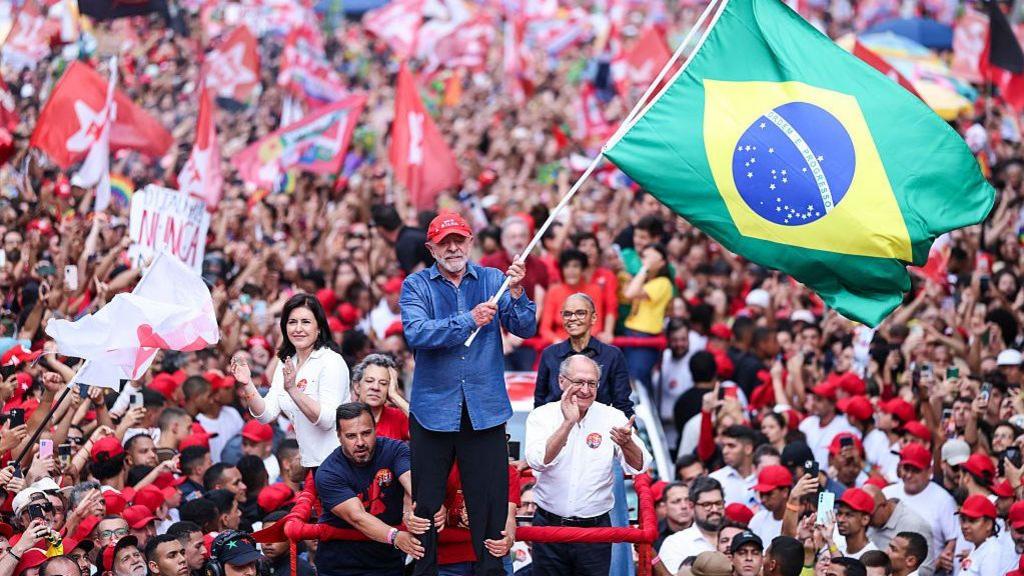
Brazil’s president Luiz Inácio Lula da Silva was declared the winner of the November 2026 presidential election, striking a bold statement that the country will not become “anyone’s backyard.”
Domestic politics rarely hinge on foreign policy, yet Lula’s campaign tapped into a nationalist sentiment triggered by U.S. tariffs and accusations of interference in Brazil’s judiciary. His speeches, punctuated by a blue cap that read “Brazil belongs to Brazilians,” drew swift approval ratings and helped him overturn a first‑round lead by Flávio Bolsonaro.
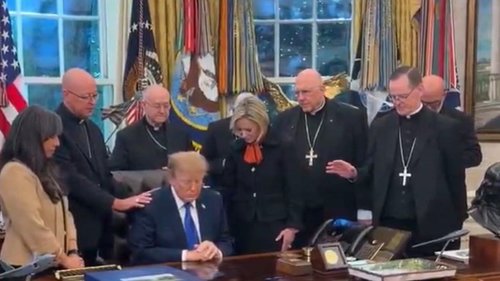
Donald Trump’s reaction was curious: he praised Lula as a strong leader, yet called the results "terrible" and "rigged," a stance that has complicated ties between the two leaders. After a sharp stance on tariffs—triggered by Jair Bolsonaro’s sharp political shifts—Trump and Lula later met at the UN and in the Oval Office, where both leaders claimed the talks were “very good.”
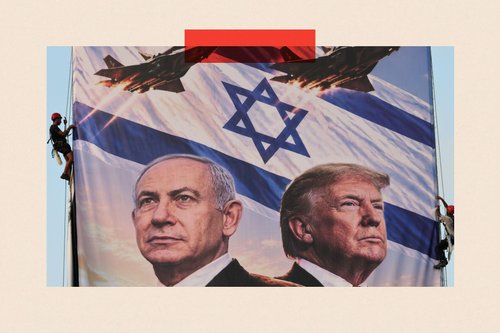
The triumph is a blow to Trump’s "Donroe Doctrine," which sought to cement a pro‑America coalition across Latin America, including Brazil, the continent’s largest economy and a coveted source of rare‑earth minerals. With Lula in power, U.S. influence is already limited, and future friction may erupt over issues ranging from Brazil’s Pix payment system to U.S. tech‑policy claims that Meta favored Bolsonaro.
While the U.S. remains Brazil’s second‑largest trading partner, the new administration’s willingness to defend national sovereignty and oppose U.S. military interventions—such as in Venezuela—will test the durability of a twice‑renewed partnership. The outcome of Lula’s fourth term may ultimately decide whether Washington can successfully steer Latin America toward a Trump‑aligned bloc.