In brief
California's health department has confirmed the first US case of a new mpox strain, known as Clade I, from a traveler returning from Africa. While the strain is linked to a more severe illness historically, recent cases show milder symptoms. As global health concerns escalate, the CDC emphasizes the importance of vaccinations and monitoring within vulnerable communities.
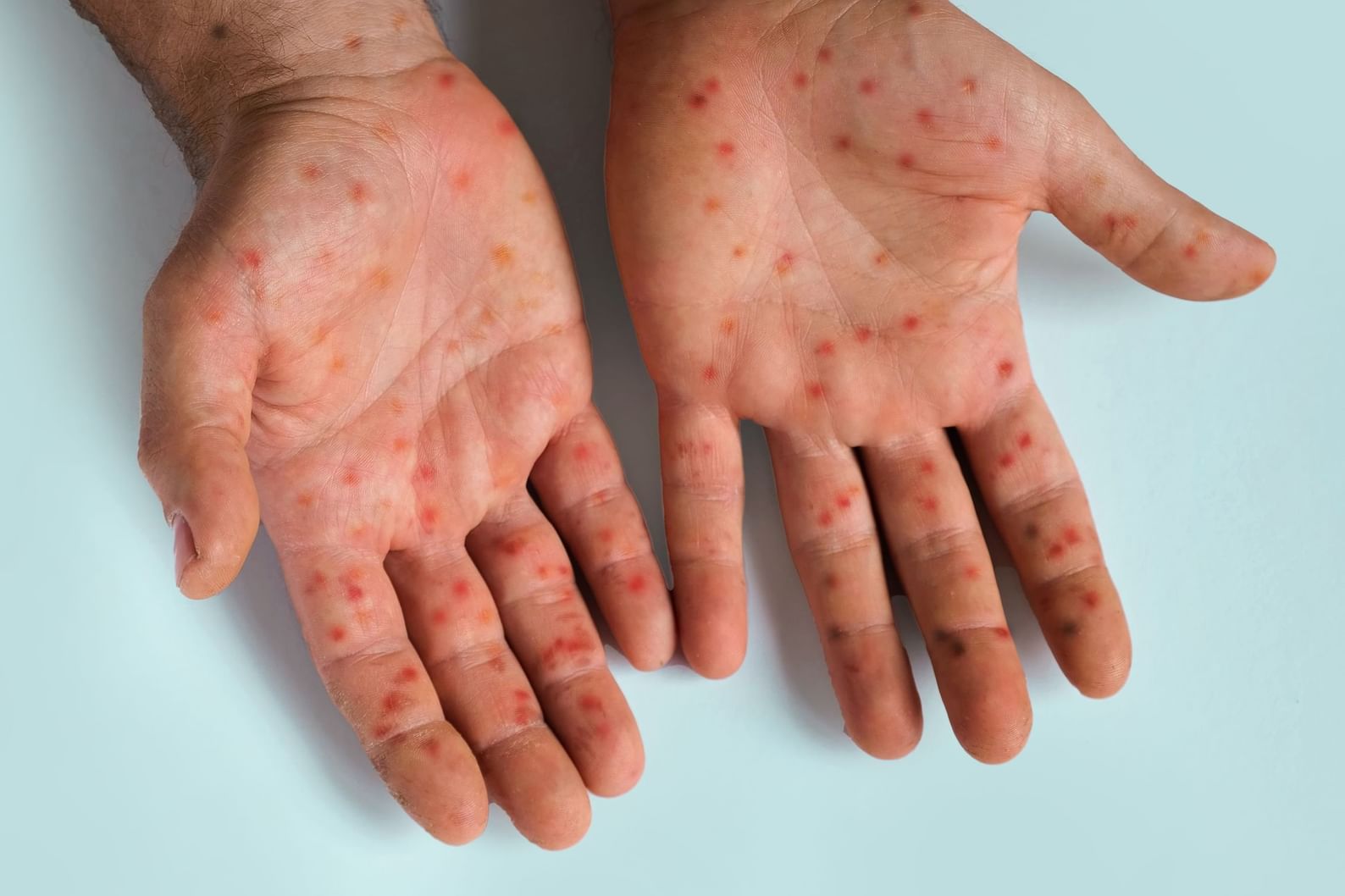
California's health department, the CDPH, has confirmed the first case of mpox, formerly known as monkeypox, involving a new strain called Clade I. This case, located in California, was detected through laboratory testing and is connected to an ongoing outbreak primarily occurring in Central and Eastern Africa. The individual in question had traveled to Africa and is currently isolating at home. As noted by the CDPH, the Clade I strain differs from the Clade II variant that has circulated in the United States since 2022. Despite past reports indicating that Clade I strains have resulted in more severe illness compared to Clade II, health experts have observed that recent infections may present milder symptoms than those seen in earlier outbreaks. Mpox is caused by a virus belonging to the same family as smallpox, though it generally poses a lower risk to health. The virus can be transmitted from animals to humans, but it has increasingly spread through human-to-human contact. Early symptoms of the infection include fever, headaches, swelling, back pain, and muscle aches, which can then develop into a painful rash. Typically, the infection duration ranges from 14 to 21 days before it resolves without the need for medical intervention. However, it can be fatal, particularly for vulnerable populations, including young children. Historically, mpox has predominantly affected remote villages in the tropical rainforests of West and Central Africa, especially in nations like the Democratic Republic of Congo. Recent outbreaks have resulted in hundreds of deaths in DR Congo earlier this year before spreading further into Central and East Africa. To prevent further infections, vaccination can play a crucial role, although availability is often limited to individuals at risk or those who have come into close contact with infected patients. As the global community continues to combat the spread of mpox, health officials are urging increased vigilance and awareness, particularly among high-risk groups.