
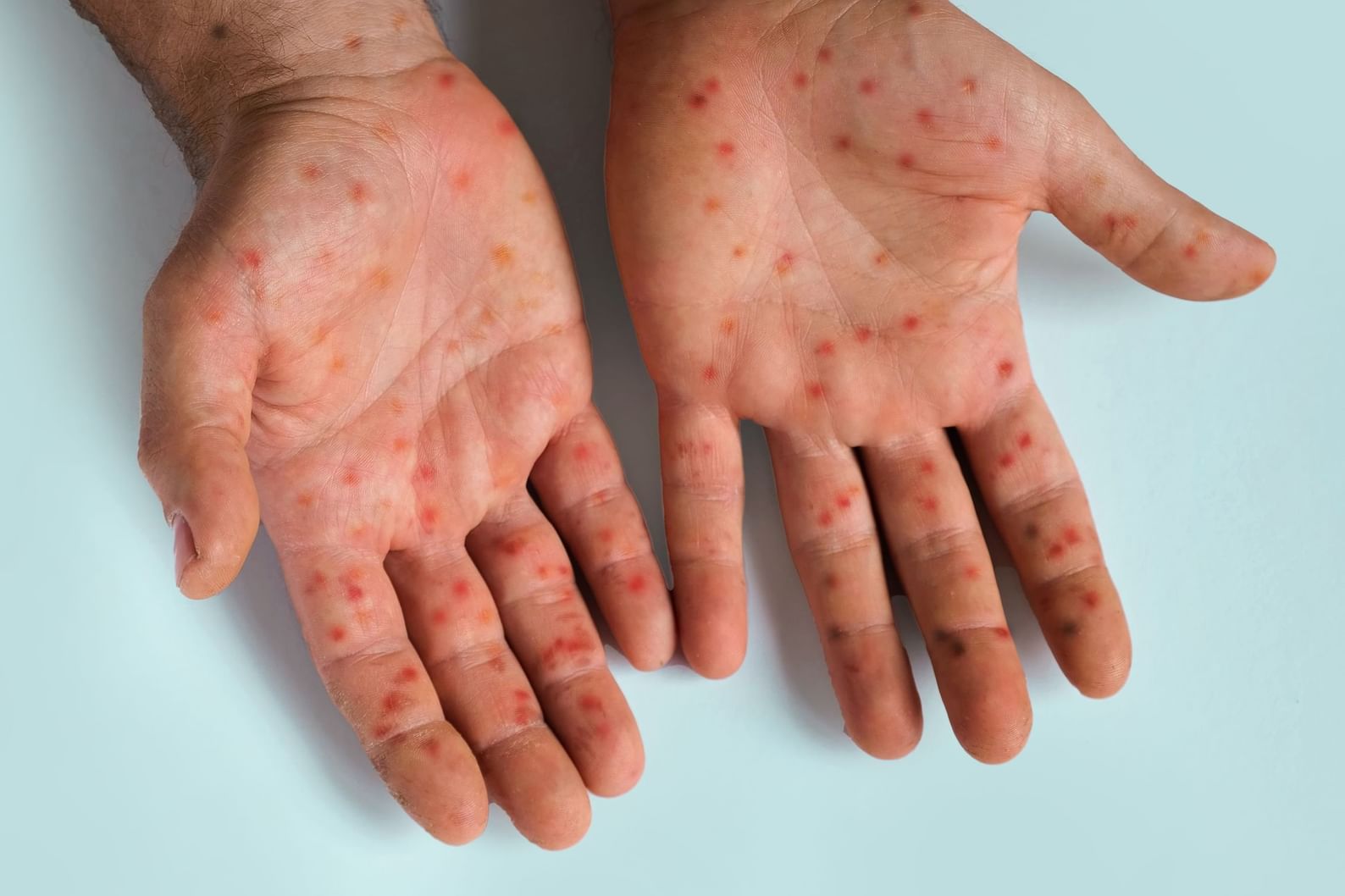
In brief
Bangladesh recorded 418 dengue deaths in October, its highest monthly toll for 2026, with 133,000 hospital admissions as of October 30. Experts warn the outbreak will not ease until December, while the country confronts its worst measles outbreak yet, straining an already stretched healthcare system.
Dengue fever claims 418 lives in Bangladesh amid warnings of continued outbreak – 1 November 2026 – Bangladesh registered its most lethal dengue month in 2026, as the Ministry of Health reported 418 fatalities in October and more than 133,000 hospital admissions nationwide by October 30, according to WAM. The death toll for October alone exceeded that of September, timing the crisis with a peak in the fourth quarter and reflecting a steep rise in cases by the end of the year.
The reported numbers highlight a significant surge: October recorded 173 deaths, surpassing September’s 148 and making it the deadliest month of the year so far. Health officials conveyed the data through official ministry releases, underscoring the scale of the crisis in a country already grappling with other communicable disease challenges.
Expert commentary from regional health analysts, as cited by WAM, notes that the outbreak is “unlikely to ease significantly before December,” pointing to sustained transmission patterns throughout the peninsula. The experts clarified that environmental factors, including monsoon season alignments and stagnant water bodies, continue to facilitate the spread of the Aedes mosquitoes that carry dengue virus. These conditions threaten to keep infection rates high and prolong pressure on emergency care facilities.
Determining a broader public health picture, WAM added that Bangladesh was simultaneously battling what experts have described as the world’s worst measles outbreak. More than 1,200 deaths have been attributed to measles, amplifying strain on an already overstretched healthcare system. The dual outbreaks force hospitals to allocate resources—beds, ventilators, staff—across overlapping patient populations, raising questions about triage protocols and emergency preparedness.
Public Health Strain and Institutional Accountability
The strain on Bangladesh’s public health infrastructure is pronounced. Nurses, physicians, and support staff have reported an increased workload across major district hospitals. The Ministry of Health has responded by expediting supply chains for intravenous fluids and anti-viral medications, as documented in internal communiqués. However, critics argue that such measures are reactive rather than preventive, calling for greater investment in vector control and public education campaigns to reduce future outbreaks.
Furthermore, the ongoing measles crisis underscores systemic vulnerabilities. Public accountability mechanisms have highlighted deficiencies in surveillance systems, vaccination coverage, and public communication strategies. A recent council meeting, referenced by the Ministry, emphasized the need for stronger inter-agency collaboration to streamline response efforts across health, education, and environmental sectors.
Government Response and Civic Stakes
The Bangladesh government’s official statements point toward increased funding for emergency response units and a plan to deploy mobile clinics in high-risk districts. These initiatives are intended to mitigate immediate overload on stationary hospitals and provide frontline care closer to affected communities. The civic impact extends beyond healthcare, touching on economic productivity as patients and caregivers face delays in accessing treatment and generating additional out-of-pocket costs.
Public elections in the country are scheduled for later this year, a factor that amplifies the stakes of health governance. Citizens’ trust in governmental institutions often hinges on their perceived competence to manage crises. As such, a sustained dengue and measles outbreak could influence public sentiment, potentially affecting electoral outcomes and policy priorities.
Globally, the situation draws attention to the need for climate-resilient public health strategies. The interplay between environmental conditions, urbanization, and disease vectors demands coordinated action that transcends national borders. Bangladeshi civil society groups have urged the government to integrate community-based monitoring systems, citing successes in neighboring regions where local volunteers have improved reporting times and outbreak containment.
In sum, Bangladesh’s current public health crisis illustrates a convergence of epidemiological urgency, institutional challenges, and civic considerations. With dengue deaths already in the four‑hundred‑plus range and measles toll exceeding a thousand, the nation faces an urgent mandate to strengthen health systems, enforce robust accountability mechanisms, and engage its citizenry in preventive efforts before the end of the year.

