In brief
Intense conflict in eastern Democratic Republic of Congo has resulted in at least 700 deaths and 2,800 injuries since Sunday, as M23 rebels, reportedly backed by Rwanda, capture key territories. The situation is exacerbated by a worsening humanitarian crisis and international tension over alleged foreign intervention.
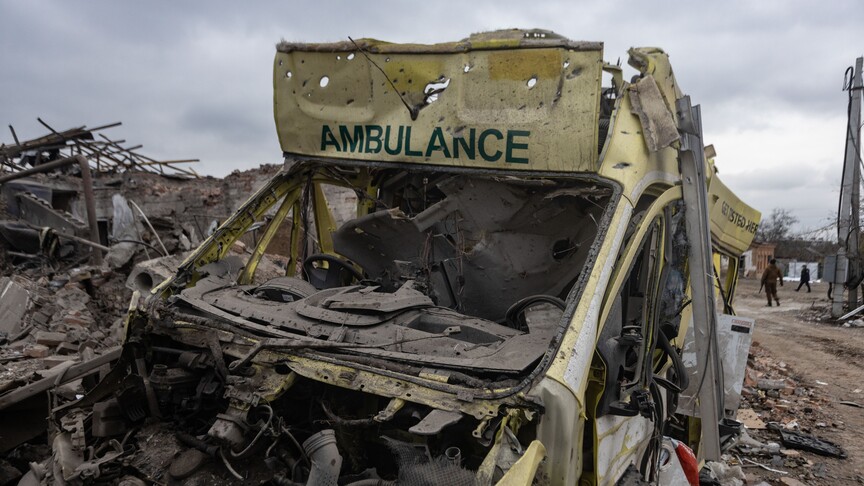
In a troubling escalation of violence in eastern Democratic Republic of Congo (DR Congo), the United Nations has reported that at least 700 individuals have been killed since Sunday as M23 rebels continue their advance. The fighting has centered around Goma, the largest city in North Kivu province, which has fallen into the hands of the M23 group that claims to represent the minority Tutsi population. According to UN spokesperson Stéphane Dujarric, the humanitarian crisis has deepened with approximately 2,800 injuries reported in the latest wave of fighting. The M23 rebels are advancing southward towards Bukavu, the capital of South Kivu province. This armed conflict has deep historical roots dating back to the 1990s but has escalated rapidly in recent days. Multiple international observers note the involvement of Rwandan forces in the conflict, with claims that they are trying to exploit the region's mineral wealth. As violence rages, both the Congolese military and newly recruited civilian volunteers are attempting to defend strategic areas. One volunteer expressed a willingness to sacrifice his life for his nation, illustrating the dire stakes for local residents.Government officials, including South Kivu Governor Jean-Jacques Purusi Sadiki, insist that their forces, bolstered by allies, are holding back M23. However, confirmation of this claim remains lacking. The rebels, on their part, have pledged to continue their offensive towards the capital Kinshasa, located nearly 2,600 kilometers away. In response to the deteriorating situation, Thérèse Kayikwamba Wagner, DR Congo's foreign minister, accused Rwanda of illegal occupation and fostering regime change, while Rwanda's government has refuted these charges, claiming its military presence is solely to prevent conflict spillover into its own territory. Amid these tensions, the Southern African Development Community (SADC) expressed its commitment to support DR Congo's sovereignty and has pledged peacekeeping assistance, which includes troops from South Africa. Tragically, the ongoing conflict has also aggravated humanitarian conditions, pushing over 400,000 people to flee their homes since the beginning of 2025. The World Food Programme has highlighted severe shortages of food, water, and medical supplies, with supply routes hampered by the ongoing violence.As the conflict continues, the threat of further destabilization looms over the region, with reminders of past conflicts that drew in multiple neighboring countries—a stark warning of history potentially repeating itself.