
In brief
Ukrainian officials report nine civilians injured and extensive damage to residential and energy sites after overnight Russian strikes on Kyiv. The Kyiv mayor confirms bridge damage and ongoing power problems, while regional authorities report a death in surrounding districts. Both sides accuse each other of targeting civilian infrastructure amid heightened tensions before U.S.-mediated talks in Abu Dhabi.
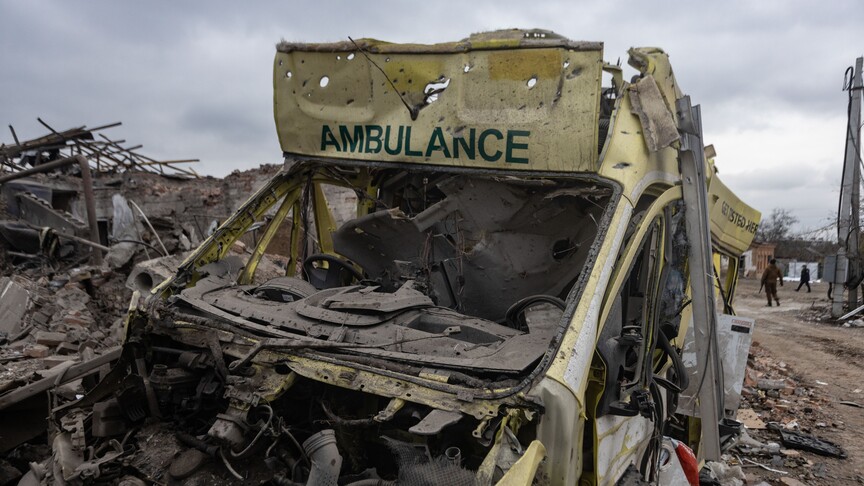
On 7 November 2026, overnight Russian air attacks struck Ukraine’s capital, Kyiv, according to Ukrainian officials. Nine civilians were reported wounded, while residential buildings, a kindergarten, and a non‑residential structure in the Solomianskyi district sustained damage. The State Emergency Service’s Telegram update first listed three injuries, later raising the number to six, and later a total of nine was cited in a statement by President Volodymyr Zelensky on X.
The strikes also affected the Darnytskyi and Sviatoshynskyi districts, damaging other residential buildings. Kyiv’s mayor, Vitali Klitschko, accused Russia of using ballistic missiles to target the city’s infrastructure and announced that energy facilities in both the Kyiv and Zhytomyr regions had been hit. He reported that the city’s heating and water supplies were disrupted, a situation described by him as “extremely difficult” for residents.
Klitschko said that municipal crews and energy workers were working to restore services for the city’s residents. He also reported that the Pivnichnyi Bridge was damaged, with traffic closed while specialists assessed the extent of the damage. The bridge connects key districts and is a critical artery for traffic and commerce.
Head of the Kyiv Regional Military Administration, Tymur Tkachenko, stated that one person had been killed in the regions surrounding the capital. The strikes had targeted five districts, and twelve other regions across the country were reported to have been hit by Russian attacks. The government stated that a total of 172 drones and 36 ballistic missiles were used in the operation.
Both Ukraine and Russia have accused each other of deliberately targeting civilian infrastructure. The Ukrainian State Emergency Service named residential buildings, a kindergarten and a non‑residential building as specific sites of damage. Russian authorities, meanwhile, have claimed that Ukrainian attacks damaged residential infrastructure, warehouses, and production facilities in multiple regions.
Ukraine’s president called for international attention, noting that Russia’s attempt to plunge Kyiv and the entire country into a blackout would have severe humanitarian impact. He urged that Ukraine must not allow such a strategic attack to succeed, illustrating the stakes for the populace and the Ukrainian state’s resilience.
These developments arrive as the world braces for U.S.-mediated peace talks in Abu Dhabi. The increased version of hostilities raises the urgency for diplomatic engagement and underscores the fragility of public security and infrastructure amid conflict.
For the citizens of Kyiv and surrounding regions, the night’s attacks mean disrupted power, water, and traffic, and heightened uncertainty. Energy workers, municipal crews, and emergency responders are on the front line, addressing immediate fallout while the political leadership works to keep the city operational under duress and to negotiate a durable resolution that preserves civilian life and infrastructure.


